How to Inspect a House Before Buying: Essential Guide
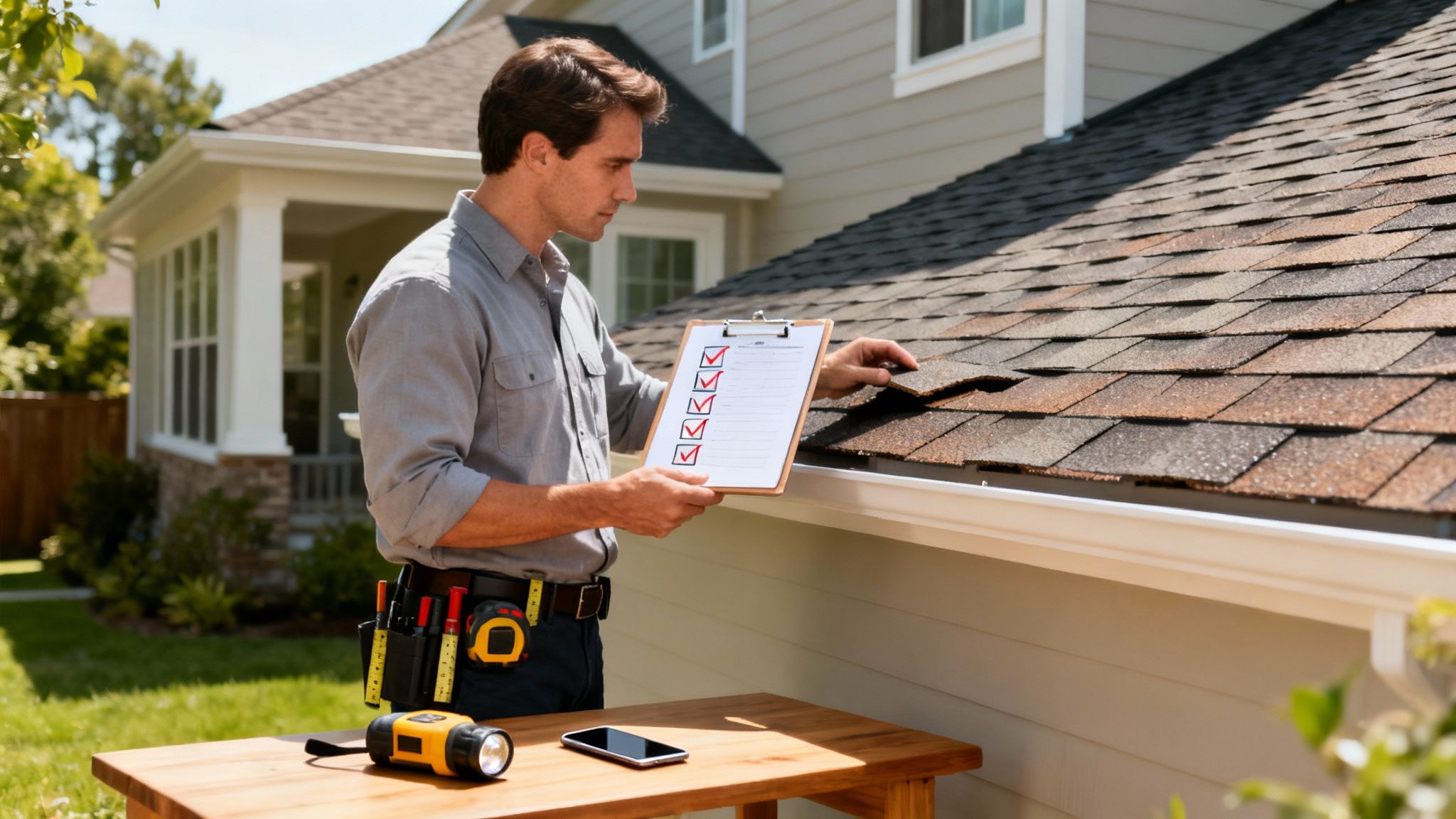
When you're inspecting a house before you buy, think of it as a two-part mission. First, you'll do your own detailed walkthrough, and then you'll bring in a certified professional for a formal evaluation. Your initial visit is all about checking out the property's general condition and digging into the paperwork. The pro will handle the deep dive into core systems like plumbing, electrical, and structural integrity.
Tackling it this way ensures you spot both the obvious cosmetic flaws and the potentially costly hidden issues before you're locked in.
Laying the Groundwork for Your Home Walkthrough
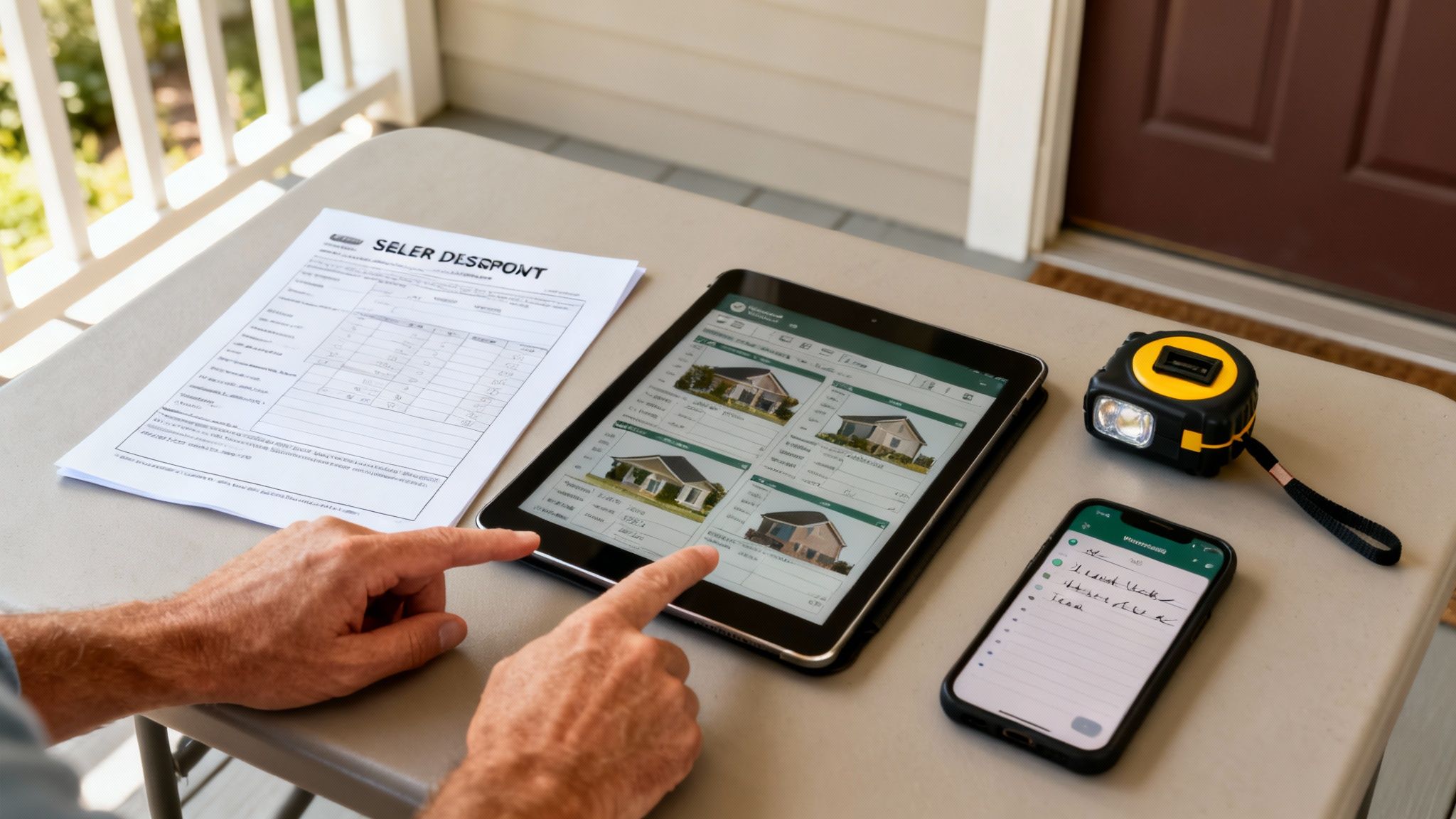
A good home inspection doesn’t just start when you step over the threshold—it begins long before, with smart preparation. When you show up prepared, you turn a casual viewing into a proper assessment, which helps you notice details that fly under most people's radar. The goal is to gather as much intelligence as you can before the visit so you know exactly what to look for.
This prep phase is all about asking the right questions and getting your hands on key documents. Your real estate agent is your best asset here; they can request all the crucial paperwork from the seller’s side that will paint a much clearer picture of the home's history and what it costs to run. If you're still looking for the right person, our guide on how to choose a real estate agent can help you find a partner who gets how important this groundwork is.
Gather Essential Documents and Information
Before you even schedule the viewing, ask your agent to get you copies of a few key documents. This paperwork gives you a baseline for the property's condition and history, helping you come up with a list of specific questions to ask when you’re there.
Here’s what you should focus on getting:
- Seller's Disclosures: This is where sellers are legally required to reveal any known problems with the property, like past water damage, foundation cracks, or pest issues.
- Recent Utility Bills: Getting a look at gas, electric, and water bills from both summer and winter will give you a real-world idea of the home's energy efficiency and monthly running costs. No one likes a surprise €300 heating bill.
- Records of Major Repairs: Ask for any receipts, invoices, or warranties for big-ticket items like a new roof, furnace, or major appliances. This helps confirm the age and quality of the home's most important components.
- Building Permits: A quick check of public records for permits can tell you if major renovations were done by the book. Unpermitted work is a major red flag and can cause big headaches later.
Remember, a seller's disclosure is not a substitute for a professional inspection. It only covers what the seller admits to knowing. A proper inspection is designed to find the problems they might not even be aware of—or worse, the ones they aren't mentioning.
Pack Your DIY Inspection Toolkit
You don’t need to show up with a contractor's van, but bringing a few simple tools will empower you to do a much more thorough walkthrough. Having these items on hand means you can investigate things that aren't immediately obvious.
Put together a basic toolkit with these items:
- A Powerful Flashlight: Your phone's light just won't cut it. A proper flashlight is essential for looking into the dark corners of basements, attics, and under sinks.
- A Tape Measure: Incredibly useful for checking if your furniture will fit, verifying room dimensions, and seeing if your car will actually fit in the garage.
- A Note-Taking App or Notepad: Document everything. Seriously. Snap photos of anything that looks off and jot down questions as they pop into your head so you don't forget them.
- A Small Outlet Tester: This is a cheap and simple gadget you can plug into outlets to quickly see if they’re wired correctly and grounded. It's a fundamental safety check.
Walking in with this prep work done and these tools in your bag gives you a huge advantage. You’re no longer just another person viewing a house; you're an informed buyer ready to make a smart, confident decision.
Spotting Exterior Issues from the Curb
The story of a home often starts at the sidewalk. Long before you step through the front door, the exterior is telling you a story about its past and potential future. This initial walk-around isn't just about first impressions; it's your chance to spot clues that could point to bigger, more expensive problems.
Take a moment and stand back. I mean it—walk across the street. From this vantage point, you get the full picture. Does the house lean? Is the roofline sagging in the middle? A straight, crisp ridgeline is what you want to see. Anything that dips or looks off-kilter could be a sign of serious framing or even foundation trouble.
From the Roof Down to the Foundation
Think of your exterior check as a top-down investigation. Your first stop is the roof, the home's primary shield against the weather. You don't need to be an expert, but your eyes can tell you a lot. Look for shingles that are curling up at the edges, cracked, or just plain missing. Any dark streaks or patches of moss? That can mean trapped moisture and a roof nearing the end of its life.
From there, let your eyes travel to the gutters and downspouts. Are they attached firmly, or are they pulling away from the house? If gutters are clogged or damaged, water has nowhere to go but down the siding or pooling around the foundation. Water is public enemy number one for any home, and this is a simple but critical check.
A pristine exterior isn't just about curb appeal. It's a clear indicator of the home's overall maintenance. If you see peeling paint, warped siding, and overflowing gutters, it's a safe bet that bigger, hidden maintenance tasks have probably been skipped, too.
Now, let's look at the siding itself. Whether it's wood, vinyl, or brick, you're looking for signs of wear and tear.
- Wood Siding: Keep an eye out for peeling paint, rotting boards, or small holes from insects. If a spot looks suspicious, give it a gentle poke. Soft, crumbly wood is a definite red flag.
- Vinyl Siding: Look for sections that are warped, cracked, or have pulled apart. If the color is severely faded, it often means the material has become brittle with age.
- Brick or Stucco: You're hunting for cracks, especially jagged, lightning-bolt-shaped ones spreading from the corners of windows and doors. Hairline cracks can be normal settling, but larger, more dramatic ones can signal foundation movement.
Windows and Grounds Examination
Windows are more than just a view; they're a key part of the home's building envelope. Check the caulking and seals around the frames. Is it cracked and dry, or is it missing entirely? Bad seals don't just waste energy—they let water seep in, which can cause hidden rot inside the walls. If you see condensation trapped between the panes of a double-glazed window, that seal has failed, and the window will need to be replaced.
Finally, look at the ground around the house. The land should slope away from the foundation to guide rainwater where it belongs. Puddles or sunken areas right next to the house are a huge warning sign. That water can easily lead to a damp basement and put immense pressure on the foundation walls. While you're at it, get a sense of the property lines. Knowing exactly what you're buying is crucial, which is where a professional report comes in handy. For more on this, check out our guide on what is a property survey.
Don't wrap up your tour without a quick look at any decks, fences, or sheds. Give the deck railing a good shake. Check the fence posts for rot. A quick glance at the condition of any outbuildings can save you from an unexpected repair bill down the line. By taking this methodical approach to the exterior, you'll have a much clearer picture of the home's true condition before you even turn the key.
Conducting Your Interior Room-by-Room Inspection
Alright, once you're inside, the real work begins. This isn't just a casual walkthrough; it's detective work. The best way to tackle it is to be methodical. Pick a starting point and move through each room, either clockwise or counter-clockwise, so you don't miss anything. You're trying to build a true picture of the home's condition, not just get swayed by the staging.
My rule of thumb? Look up, look down, then look all around. Ceilings are fantastic storytellers, especially when it comes to past water damage. Keep an eye out for those tell-tale yellowish or brownish stains, any peeling paint, or even fresh patches that look a little too perfect. They're often hiding an old leak from a bathroom or the roof above.
Focusing On High-Traffic and High-Risk Areas
Let’s be honest: kitchens and bathrooms are the most expensive rooms to fix. They need your undivided attention. Here, you're not just looking at granite countertops and shiny tiles; you're testing everything.
Turn on every single faucet. How's the water pressure? If it's just a weak trickle, you could be looking at old, clogged pipes. If it sputters and coughs, there might be air in the lines.
While the water is running, get down and open the cabinets under the sinks. Use your phone's flashlight and get a good look at the plumbing and the bottom of the cabinet. You’re hunting for:
- Active Drips: Even a tiny, slow leak can lead to catastrophic rot and mold over the years.
- Past Water Stains: Look for dark rings, warped wood, or that unmistakable musty smell that screams "I've been wet before."
- Proper Drainage: See how fast the water goes down. A slow drain is a classic sign that a clog is forming.
In the bathroom, give the toilet a gentle nudge from side to side. If it rocks, the wax ring seal at its base has likely failed. That's a common, and messy, cause of subfloor damage. Don't forget to flick on the exhaust fan—proper ventilation is your number one defense against mold in these steamy rooms.
Here’s a classic homeowner trick: painting over ceiling stains without fixing the leak. Gently press on any discolored spots. If the drywall feels soft or spongy, that moisture problem is probably still very much active.
Walls, Floors, Windows, and Doors
As you move into the living spaces and bedrooms, your focus shifts. Run a hand along the baseboards and peek into the corners. Peeling paint down low can signal rising damp, while little piles of what looks like sawdust (frass) is a calling card for termites or carpenter ants.
Take a good look at the floors. Do they feel level? A great little trick is to place a small ball or marble on the floor. If it consistently rolls to one side, you might have a sloping floor, which can point to foundation issues. On hardwood, look for dark stains or boards that are "cupping" (curling up at the edges)—another dead giveaway for water damage.
Now, test every single window and door. They should open and close smoothly. If a door swings open or shut on its own, that's another hint the floor isn't level. Windows that stick could just be painted shut, but it can also be a more serious sign of the house settling and warping the frame. And if you see condensation between the panes of a double-paned window, its seal is broken, and it’ll need to be replaced.

This simple diagram shows exactly what I'm talking about—how a small problem with the roof can travel all the way down and cause big problems for the foundation. It's all connected.
The Overlooked But Critical Zones
Your inspection isn't done until you've braved the attic and the basement or crawl space. These are the places where the biggest, ugliest secrets hide.
In the attic, use a powerful flashlight and look for any daylight peeking through the roof sheathing. That means you've got holes. Scan the underside of the roof deck and around any vents for dark stains—clear signs of active or past leaks. You also want to see plenty of insulation and check that there’s proper ventilation. Without it, you get ice dams in the winter and a sweltering house in the summer.
Down in the basement, you’re looking at the bones of the house. Long horizontal cracks or stair-step patterns in the foundation walls are much more serious than thin, vertical settling cracks. See a white, chalky powder on the walls? That’s efflorescence, and it means water has been seeping right through the concrete. A musty smell or any visible mold is an immediate red flag that needs a professional opinion, period.
The things you can uncover in these spaces might mean you need to call in a specialist. Today's inspections are more thorough than ever; 55% of them uncover moisture issues, and a staggering 70% of inspectors find safety hazards like mold. You can find more details on what to expect from a professional inspection, including costs, over on Angi.com.
Taking a Look at the Home's Core Systems
It’s easy to get sidetracked by fresh paint or new flooring, but the real money pits are often humming away in the basement or hidden behind the walls. We're talking about the home's core systems: the HVAC (heating, ventilation, and air conditioning), plumbing, and electrical.
When one of these fails, it’s not just an inconvenience—it's often one of the most expensive and disruptive repairs you can face as a homeowner.
Your job during a walkthrough isn’t to be a certified technician. Think of yourself as a detective. You’re looking for the obvious signs of age, neglect, or malfunction that signal it's time to bring in a pro for a closer look. This initial once-over arms you with the right questions and helps you anticipate major costs before you even think about making an offer.
Investigating the HVAC System
Let’s start with the big-ticket items: the furnace and the air conditioning unit. These are absolutely critical for your comfort, and replacing them can easily run into thousands of dollars.
Find the manufacturer's label on both the furnace and the outdoor AC condenser. A quick Google search of the model number can usually reveal its age. Here are some good rules of thumb: furnaces tend to last 15-20 years, while central air conditioners have a lifespan of about 10-15 years. If a unit is nearing the end of that range, you should start mentally budgeting for a replacement, even if it seems to be running just fine for now.
Turn the system on and just listen. Do you hear loud clanking, grinding, or a high-pitched squeal? Those are tell-tale signs of mechanical trouble. And don’t forget to peek at the furnace filter. If it’s caked in dust and grime, it could be a small clue that regular maintenance hasn’t been a priority.
Assessing the Plumbing Network
Plumbing issues can be anything from a minor annoyance like a dripping faucet to a full-blown catastrophe. Your mission is to spot any signs of existing leaks and get a general feel for the system's condition.
Beyond just looking under sinks, keep an eye out for these plumbing red flags:
- Weak Water Pressure: Don't just turn on one faucet—try several, including the shower. If the flow is weak everywhere, you could be looking at bigger issues like old, corroded pipes that are slowly closing up.
- Visible Corrosion or Leaks: If you can get into the basement or a crawl space, scan any exposed pipes. Greenish stains on copper pipes or obvious rust on older galvanized steel pipes are dead giveaways for corrosion and potential leaks.
- Slow Drains: As we mentioned earlier, test every drain in the house. One slow drain is probably just a simple clog. But if multiple drains are sluggish, it could point to a more serious blockage in the main sewer line—a much bigger headache.
- Water Heater Condition: Find the label on the water heater to check its age. Most traditional tank heaters last about 8-12 years. Look for any rust on the tank itself or signs of water pooling at its base.
When inspecting a house before buying, remember this: Water is a home's biggest enemy. Even a small, slow leak can cause thousands of dollars in hidden damage from rot and mold. Be diligent about looking for any sign of moisture where it shouldn't be.
Checking the Electrical Panel and Outlets
Faulty wiring isn't just an inconvenience; it's a serious fire hazard. You should never open up an electrical panel yourself, but you can still learn a lot from a quick visual inspection.
First, locate the main breaker box. Open the little metal door and just look. Does the panel seem ancient and chaotic, with a bird's nest of wiring? Do you see any rust or, worse, scorch marks? These are all major red flags.
It’s also worth doing a quick search for the brand name on the breakers. Certain older brands, like Federal Pacific or Zinsco, are notorious for safety issues and are often flagged for replacement by inspectors.
As you walk from room to room with your outlet tester, you're checking for two key things: correct wiring and proper grounding. Older homes often have two-prong outlets that aren't grounded. Bringing these up to modern safety standards can mean a costly and extensive rewiring job. This is an absolutely critical step in any guide on how to inspect a house before buying, because electrical work is both expensive and non-negotiable for safety.
To help you keep track, here’s a quick-reference table for spotting potential issues with these core systems during your walkthrough.
Core System Quick Check for Buyers
This table is your cheat sheet for a quick assessment of a home's primary systems. It's designed to help you identify surface-level issues that might warrant a deeper dive by a professional inspector.
| System | What to Look For | Potential Red Flag If You Find This |
|---|---|---|
| HVAC | Manufacturer's label for age, unusual noises (clanking, grinding), dirty filters, visible rust on units. | Unit is over 15 years old, loud or strange operational sounds, signs of water leaks around the indoor unit. |
| Plumbing | Weak water pressure in multiple locations, slow drains, signs of leaks under sinks or around toilets, rust on the water heater. | Consistently low pressure, multiple slow drains, green stains on copper pipes, water stains on ceilings below bathrooms. |
| Electrical | The brand of the electrical panel (check for recalled brands like Federal Pacific), any signs of scorching or rust, two-prong outlets. | An outdated or recalled electrical panel, flickering lights when appliances turn on, lack of GFCI outlets in kitchens/baths. |
Remember, your goal here is not to create a full repair list but to get a sense of the home's overall health. Spotting one of these red flags gives you a crucial talking point and a reason to investigate further before you commit.
Knowing When to Hire a Professional Inspector
Your own walkthrough is fantastic for getting a real feel for a place—something photos and floor plans can never quite capture. But no matter how sharp your eye is, think of your visit as the first look, not the final word. The real deep dive, the one that truly protects your investment, has to come from a certified professional home inspector.
Here's how I see it: your inspection is like a preliminary health check. The professional’s inspection? That's the full diagnostic workup, complete with specialized equipment and years of experience. They aren't just looking around; they're systematically testing, measuring, and evaluating every accessible part of the home against strict safety and building standards. It's what they do all day, every day, and that expertise is non-negotiable for a smart purchase.
Beyond What Your Eyes Can See
A professional inspector comes armed with technical knowledge and tools that go way beyond what any buyer has on hand. They’ll use moisture meters to find hidden leaks behind drywall, thermal imaging cameras to spot cold spots from missing insulation, and they have the training to see the subtle signs of structural stress that the rest of us would walk right past.
Their evaluation gets into the nitty-gritty of things you might overlook or can't safely check:
- Code Compliance: They can spot electrical or plumbing work that isn't up to modern safety codes—a huge liability you’d otherwise inherit.
- Structural Integrity: An inspector knows the difference between a harmless settling crack and one that screams "foundation problem."
- System Lifespan: They can give you a realistic idea of how much life is left in big-ticket items like the HVAC unit or water heater, helping you budget for future replacements.
The final report you get from them isn't just a simple list of problems. It’s a detailed owner's manual for your potential new home, packed with photos and clear explanations. This document is your single most powerful negotiation tool. To understand how this fits into the broader process, our guide on the real estate due diligence checklist puts it all into context.
The Cost of an Inspection Versus the Cost of Surprise
I've seen buyers hesitate over the cost of an inspection, and it’s a classic case of being penny-wise and pound-foolish. The truth is, there’s a reason this step is considered essential. Recent research shows that a staggering 86% of home inspections turn up at least one issue needing attention. The most common culprits are problems with roofing (19.7%), electrical systems (18.7%), and windows (18.4%), all of which can lead to hefty repair bills. You can find more data on this in Amerisave's guide about what every buyer needs to know.
A professional inspection isn't a cost; it's an investment in peace of mind. The fee is a tiny fraction of the potential cost of discovering a major flaw—like a failing foundation or a full roof replacement—after the keys are in your hand.
Picture this: you skip the inspection to save a few hundred euros. Six months down the line, you discover a slow leak has been feeding a massive mold colony inside a wall, a problem that now requires a €10,000 remediation project. A good inspector would have almost certainly caught the signs of moisture, giving you the chance to have the seller fix it, negotiate the price down, or walk away entirely.
Knowing When to Call in Specialists
Sometimes, a standard home inspection uncovers a red flag that needs an even more focused expert. Your general inspector is trained to spot these potential big-ticket issues and will recommend calling in a specialist for a closer look.
Don't hesitate to bring in an expert for things like:
- Structural Engineering: If the inspector finds major foundation cracks, sagging floors, or bowing walls.
- Mold Remediation: If there are signs of extensive water damage or visible mold growth.
- Radon Testing: A must-do in geographic areas where radon gas is a known risk.
- Pest Inspection: Critical for identifying wood-destroying insects like termites or carpenter ants.
Ultimately, your walkthrough helps you fall in love with a home's potential. The professional inspector is there to confirm its reality. It’s the crucial step that turns an emotional decision into a smart, data-driven, and confident investment.
Answering Your Top Home Inspection Questions
Stepping into the world of home inspections can feel a bit like learning a new language. You've got reports, contingencies, and a whole lot of jargon to sift through. It's completely normal to have questions as you navigate this critical part of buying a property. Getting solid, straight-up answers is what helps you move forward with your eyes wide open.
This is the point where what you saw on your own walkthrough gets a professional reality check. Knowing who does what, what to do with the findings, and how the whole thing works is fundamental to protecting your investment.
What's the Difference Between a Home Inspection and an Appraisal?
This is a big one, and people mix them up all the time. Simply put, they serve two completely different masters.
A home inspection is for you, the buyer. It's a deep-dive into the physical health of the property—from the foundation right up to the shingles on the roof. The goal is to uncover defects, potential safety hazards, and things that might cost you big money down the road. Think of it as a head-to-toe physical for the house.
An appraisal, on the other hand, is for the lender. The appraiser's sole job is to determine the property's fair market value. They do this to make sure the bank isn't lending you more money than the asset is actually worth. While an appraiser might flag a gaping hole in the roof because it impacts value, their review is nowhere near as thorough as an inspector's.
Should I Actually Go to the Professional Home Inspection?
Yes. Absolutely. One hundred percent. I can't stress this enough: showing up for the inspection is probably the single most valuable thing you can do during the entire buying process. Sure, you'll get a detailed report later, but nothing beats seeing the property through the inspector's eyes and hearing their unfiltered thoughts in real-time.
Being there in person lets you:
- Ask questions as they come up. You can get instant feedback on whether a crack is a major structural problem or just a cosmetic issue.
- See it for yourself. An inspector pointing out a water stain in the basement corner is far more powerful than reading a line about it in a 50-page report.
- Get a crash course in home maintenance. This is your chance to learn where the main water shut-off is, how the HVAC system works, and get practical tips on keeping the place in good shape.
Attending the inspection turns you from a passive buyer into an informed owner. It’s your best opportunity to truly get to know the home you’re about to commit to, warts and all.
What Happens If the Inspection Uncovers Major Problems?
First things first: take a deep breath. It's incredibly rare for an inspection report to come back completely spotless. Discovering some issues is normal, and frankly, it's expected. The key is that this new information gives you leverage. This is where that inspection contingency in your contract becomes your best friend.
Typically, you have a few ways to play it:
- Ask the Seller to Make Repairs: You can submit a list of specific issues you want the seller to fix before you close the deal.
- Negotiate for a Credit: A common and often better alternative is to ask for a credit at closing. This puts money in your pocket so you can hire your own contractors and oversee the quality of the work.
- Renegotiate the Price: You can also ask for a straightforward price reduction on the home to offset the cost of the needed repairs.
- Walk Away: If the problems are just too big, too expensive, or you can't come to an agreement with the seller, your contingency clause should allow you to cancel the contract and get your deposit back.
Are Home Inspection Rules Different in Europe?
They absolutely are, and the differences can be massive. The process varies wildly from one country to the next, which makes leaning on local expertise non-negotiable. There isn't a standardized system like you might find in the U.S.; instead, it's a patchwork of local customs, laws, and expectations. When you're learning how to inspect a house before buying in another country, you have to play by their rules.
For instance, in Sweden, the concept of undersökningsplikt (the buyer's duty to investigate) is taken very seriously, putting a huge amount of responsibility on you to uncover any and all problems.
Contrast that with France, where sellers are legally required to provide a thick file of technical reports called the Dossier de Diagnostic Technique, covering everything from asbestos and lead paint to energy efficiency.
Then you have countries like Italy and Spain, where formal, pre-purchase inspections aren't nearly as common. The burden falls almost entirely on the buyer to hire their own surveyor or architect to check things out. The bottom line? Always, always consult with a local real estate professional who knows the lay of the land.
Ready to find your perfect property in Europe? With listings across France, Spain, Italy, and more, Residaro is your gateway to discovering dream homes abroad. Our platform simplifies the search, providing the insights you need to make a confident move. Start your journey today.