How to Rent Out Your Property - A European Investor Guide

Renting out your property is a journey, not just a single action. It really comes down to four critical stages: getting the place ready, nailing the price and marketing, handling the legal paperwork, and managing the day-to-day. Get these right, and you're not just a landlord; you're running a smart, profitable business, whether it's a seaside villa in Portugal or a modern flat in Vienna.
Entering The European Rental Market Successfully
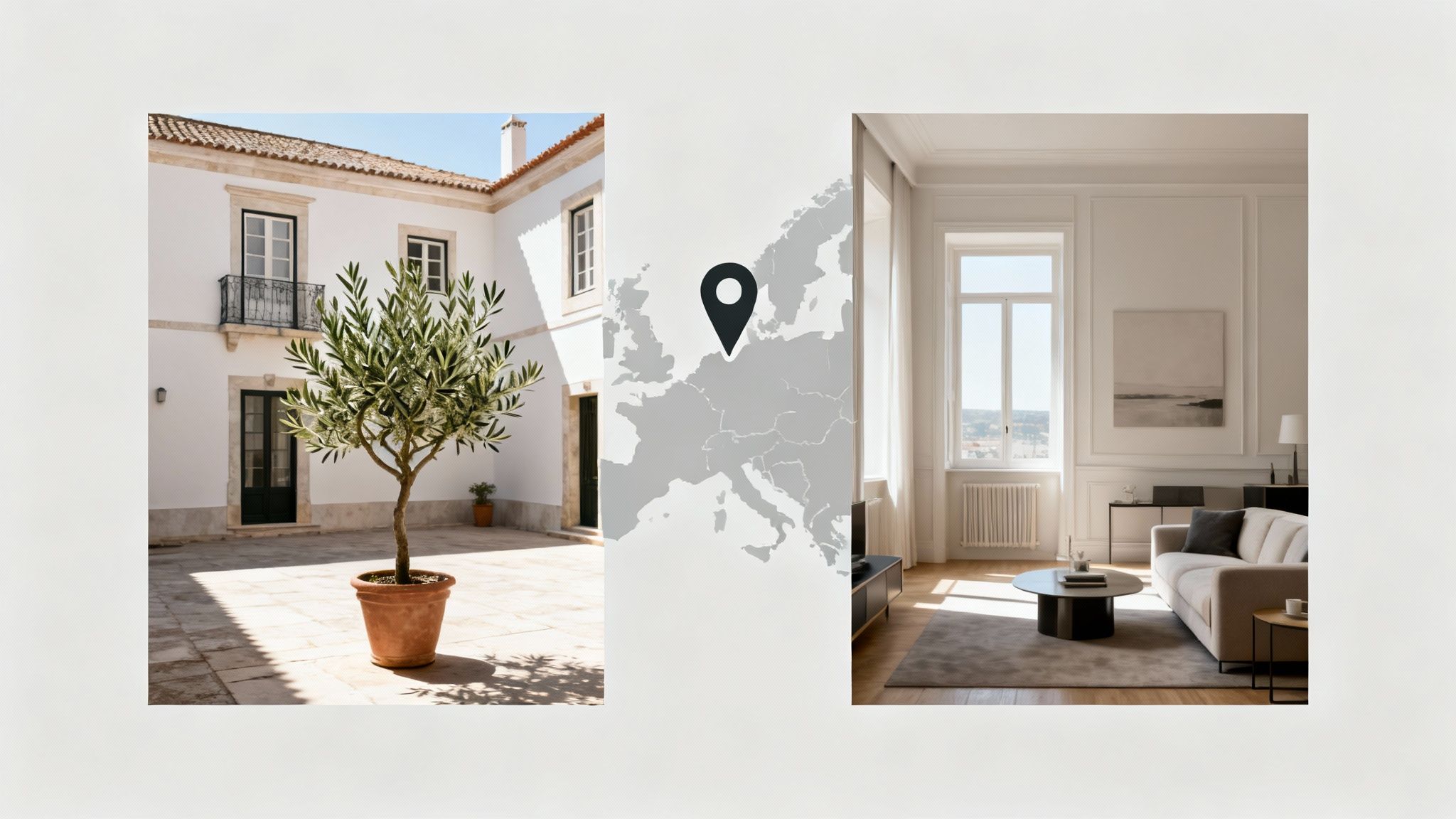
Turning an empty property into a steady income stream is a powerful move, especially in Europe's diverse and often lucrative rental markets. This guide is your roadmap. We’re here to walk you through the entire process, step-by-step, helping you make the most of your investment while keeping the headaches to a minimum.
The timing couldn't be better. The global real estate rental market is enormous, hitting an estimated USD 2.91 trillion in 2025 and on track to reach USD 3.87 trillion by 2029. That's driven by a solid 7.4% compound annual growth rate (CAGR), largely because rising property prices are pushing more people to rent. You're entering a market with serious momentum.
The Four Pillars of Renting Your Property Successfully
To do this right, you need a plan. It helps to think of the entire process in four clear, manageable stages. This framework keeps you organized and ensures you don't miss any crucial details. We provide more background on this in our guide to investing in European real estate.
This table breaks down the essentials, giving you a quick overview of what needs to happen at each step.
| Stage | Key Objective | Core Activities |
|---|---|---|
| Preparation | Make the property attractive and functional for your ideal tenants. | Repairs, deep cleaning, professional photography, furnishing decisions. |
| Marketing & Pricing | Attract high-quality applicants and set a competitive, profitable rent. | Market analysis, creating listings, advertising, tenant screening. |
| Legal & Compliance | Protect yourself and your tenant with a solid legal framework. | Drafting lease agreements, understanding local laws, securing insurance. |
| Management | Ensure smooth day-to-day operations and tenant satisfaction. | Rent collection, handling maintenance, clear communication, financial tracking. |
Think of these pillars as the foundation of your rental business. Each one is crucial.
By tackling each of these stages methodically, you shift from just being a property owner to becoming an active manager of a valuable asset. This structured approach is what separates successful landlords from the rest—it's how you minimize risk and maximize your income.
Each of these pillars builds on the one before it, creating a complete system for success. In the sections that follow, we'll dive deep into each one, offering practical tips and real-world advice to guide you.
Getting Your Property Ready to Impress
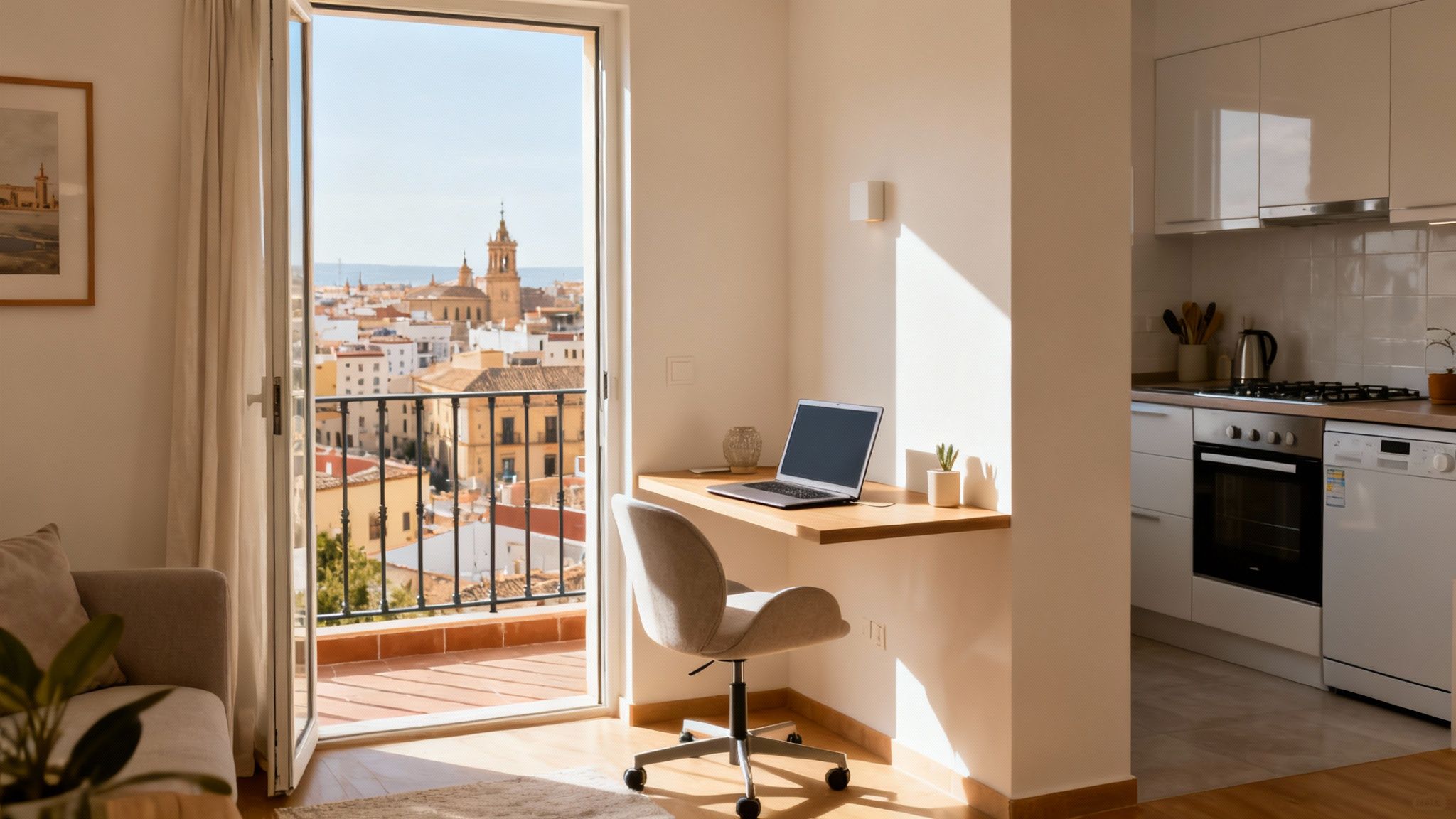
Before you even think about listing your property, you need to get it ready for its close-up. This isn't just about a quick clean and a fresh coat of paint. It’s about creating a space that attracts the right kind of tenant—the ones who appreciate quality, pay on time, and treat your place like their own. Think of this stage as your first, and most important, opportunity to maximize your rental income.
First things first, who are you trying to attract? Is it an expat family looking for a spacious home in Austria? A digital nomad who needs a work-ready apartment in Portugal? Or a couple wanting a seasonal getaway in Italy? Knowing your target tenant from the outset will guide every decision you make, from furniture choices to feature upgrades.
Focus on Upgrades That Actually Pay Off
Not all renovations are created equal. The trick is to invest in high-impact upgrades that tenants are actively looking for, without over-investing and wiping out your potential profit.
Remote work has completely changed the game. A dedicated home office space is now a massive selling point. You don’t necessarily need a separate room; even a well-defined nook with a built-in desk, good lighting, and strong Wi-Fi can make your listing jump to the top of the pile.
Here are a few other practical enhancements that deliver real value:
- Go for Energy Efficiency: Upgrading to modern, energy-efficient appliances or switching to LED lighting isn't just good for the planet. It lowers utility bills for your tenants, which is a huge draw for the environmentally—and budget—conscious.
- Add Modern Conveniences: Little things make a big difference. A dishwasher, an in-unit washer and dryer, or smart-home touches like a smart thermostat or keyless entry can be the deciding factor for a discerning renter.
- Keep Aesthetics Clean and Modern: Stick to neutral paint colours and durable flooring like high-quality laminate or vinyl. Small updates to kitchen and bathroom fixtures can also completely transform a space, giving it a fresh, modern feel that tenants can easily imagine themselves in.
Rental trends are always on the move, so it pays to know what's in demand. Right now, over 40% of renters are looking for pet-friendly properties, another 40% are focused on affordability, and demand for energy-efficient homes has shot up by 20%. Whether you own a villa in Sweden or a flat in Portugal, keeping these stats in mind is key. For a deeper look at what tenants want, check out this great analysis of rental market trends.
Presentation is Everything
Once the upgrades are done and the property is sparkling clean, it's time to show it off. Let me be blunt: blurry photos from your phone won't cut it in a competitive market.
Hiring a professional real estate photographer is a non-negotiable investment. A pro knows how to use light and angles to make your rooms look bright, spacious, and inviting. They can capture the stunning view from a Spanish balcony or the cosy charm of a rustic Italian kitchen in a way that creates an emotional connection.
Take it a step further with a virtual tour or a quick video walkthrough. This is an absolute game-changer for attracting international tenants, as it allows them to get a real feel for the layout from thousands of miles away. It also helps pre-qualify serious applicants, saving you a ton of time.
Ultimately, your goal is to present a home that is clean, safe, and genuinely desirable. By putting in the effort on the front end, you're not just renting out a property—you're setting yourself up for a profitable, long-term investment.
Nailing the Price and Marketing Your Rental

So, your property is polished and ready for its close-up. Now comes the tricky part: putting the right price on it and getting it in front of the right people. Pricing is a real balancing act. Go too high, and you're looking at a vacant property that costs you money every day. Go too low, and you're leaving cash on the table each month. It’s all about combining smart market analysis with marketing that actually connects with people.
Getting the price right isn’t just a gut feeling—it’s a decision you make after doing your homework. You need to get a solid feel for what similar properties in your neighbourhood are renting for. This whole process is often called a comparative market analysis (CMA), and it’s the bedrock of setting a rent that’s both competitive and profitable.
How to Figure Out Your Property's Market Rate
Jump onto the big European rental portals and start hunting for listings right in your immediate area. Let's say you have a two-bedroom apartment in a specific neighbourhood in Lisbon. Your mission is to find other two-bedroom places in that same zone with similar perks.
When you're comparing, you need to get granular. Pay close attention to:
- Location: Hyper-local really, really matters. A place a few streets over but right next to a metro stop can easily ask for more.
- Size and Layout: It’s not just about square footage. The number of bedrooms and bathrooms is key. That extra half-bath can be a major selling point.
- Amenities: Does your place have a balcony, a newly fitted kitchen, or maybe access to a communal pool? These are the features that justify a higher price tag.
- Condition: Time for some honest self-assessment. A freshly renovated apartment is going to fetch a lot more than one with a dated interior.
Doing this research will give you a clear price range to work with. Your goal is to land somewhere in the middle of that range, maybe pushing the top end if you have unique features that make your property stand out. One of the biggest mistakes I see new landlords make is overpricing. It leads to long vacancies that wipe out any extra profit you hoped to make.
Before you set that final number, it’s worth understanding your potential return on investment. Our guide on how to calculate rental yield is a great place to start.
Creating a Listing That Tells a Story
Okay, you’ve got your price. Now you need to write a listing that does more than just list facts—it needs to sell a lifestyle. Think of your description and photos as your main sales pitch.
Don’t just write, "Two-bedroom apartment with a balcony." Instead, try to paint a picture. Something like, "Imagine sipping your morning coffee on your private balcony, enjoying stunning city views before starting your day in our bright, sun-filled home." This kind of narrative helps people see themselves living there, and that’s powerful.
It's a renter's market out there. A 2025 Outlook from Hines highlights a staggering deficit of 6.5 million housing units across major economies, pushing affordability to a breaking point. This has caused a massive shift, with over 80% of households now opting to rent in cities from Lisbon to Vienna. A listing that connects emotionally speaks directly to this huge pool of people searching for their next home. You can discover more insights about this global living reimagination and see just how big the opportunity is.
How to Attract and Screen the Best Tenants
So where do you post this amazing listing? Don't put all your eggs in one basket. A mix of large international portals that appeal to professionals and expats, combined with local classifieds or platforms popular in your country, will give you the widest reach.
Your goal isn't just to find a tenant; it's to find the right tenant. A thorough screening process is your best defense against future problems like late payments or property damage. It's the most critical step in protecting your investment.
Having a solid, consistent screening process is non-negotiable. It's not about being difficult; it's about being diligent and fair to everyone who applies.
Here’s what your screening checklist should cover:
- A Solid Application: This is where you collect the basics—employment history, income details, and, most importantly, references from past landlords.
- Income Verification: A good rule of thumb is that a tenant's gross monthly income should be at least three times the monthly rent. Ask for recent pay stubs or an employment contract to confirm they can comfortably afford the place.
- Credit Check: A credit report gives you a window into how an applicant handles their financial obligations. You're looking for a history of paying on time and not being over-leveraged with debt.
- Reference Checks: Don't skip this! Actually call their previous landlords. Ask pointed questions: Did they pay rent on time, every time? How did they maintain the property? Would you happily rent to them again?
This structured approach not only helps you find someone reliable but also ensures you're complying with fair housing laws by using the same criteria for every single applicant. Trust me, the time you invest here will save you a world of headaches later on.
Getting the Paperwork Right: Leases and European Rental Laws
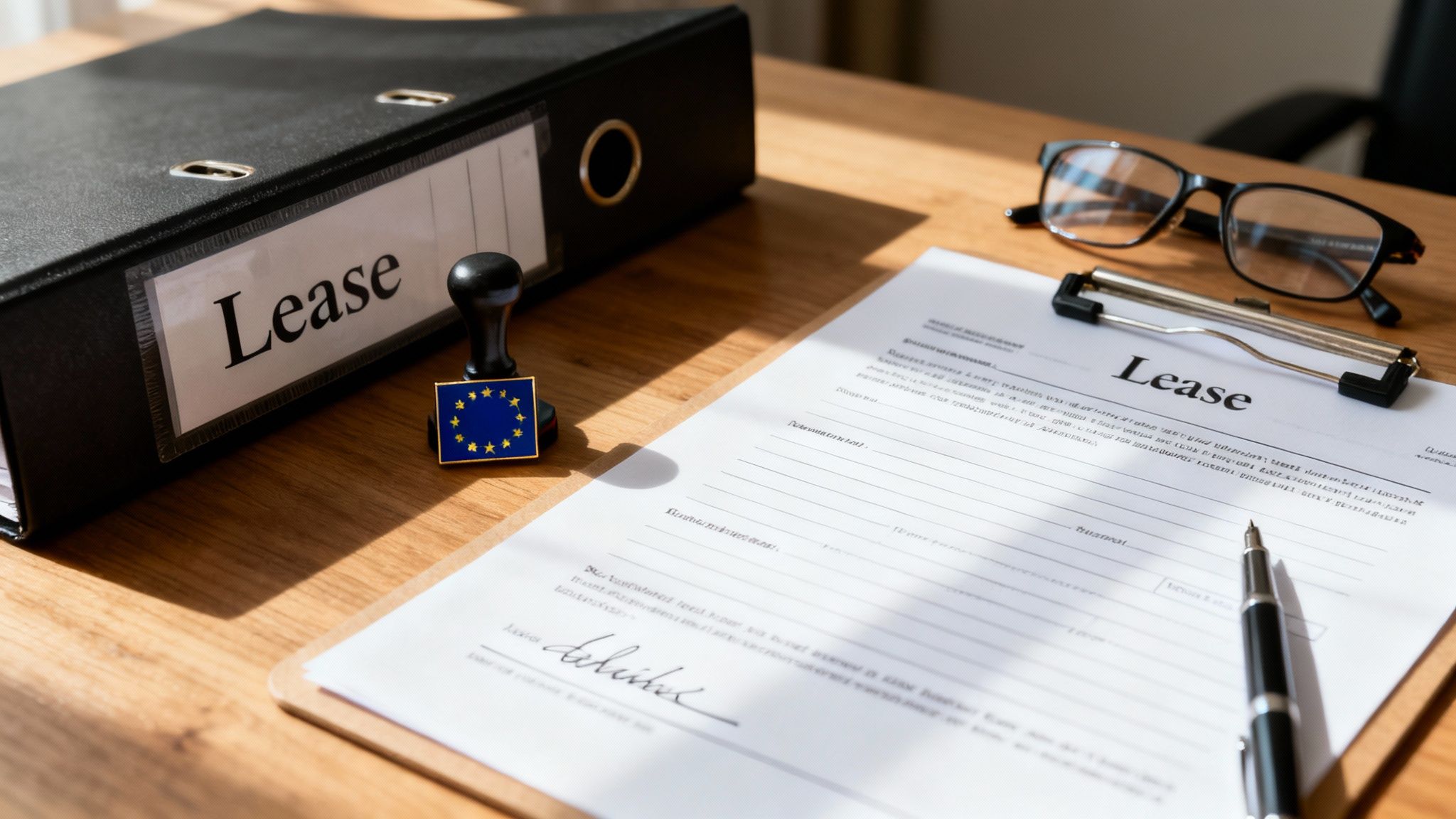
Once you’ve found a tenant who seems like a great fit, it’s time to make it official. This is where you lay the legal foundation for your entire landlord-tenant relationship, and frankly, it's where many first-time landlords get nervous—especially when their property is in another country.
Let's be clear: renting property in Europe isn't governed by a single set of rules. It’s a complex patchwork of national and even regional laws. You absolutely have to get this part right.
Your lease agreement is the single most important document you'll sign. It’s not just a formality; it's the official rulebook that protects you and your tenant. Skimping on the details here is a recipe for disaster, so it's worth the time (and sometimes, the legal fees) to create a contract that's airtight.
What Goes into a Bulletproof Lease Agreement?
A strong lease is clear, fair, and leaves zero room for misinterpretation. While you might start with a template, your final agreement has to be customized for your property and, crucially, must comply with local tenancy laws. Think of it as defining everyone's responsibilities from the get-go.
Every solid lease needs to cover these non-negotiables:
- Who and Where: Clearly list the full names of all adult tenants and the exact address of the rental property.
- The Timeline: State the precise start and end dates of the tenancy. What happens when the term is up? Does it roll into a month-to-month agreement, or does it require a formal renewal? Be specific.
- The Money: Detail the rent amount, the due date each month, and how you'll accept payment. You should also clearly state any late fees, but only as permitted by local regulations.
- Security Deposit: Specify the exact amount. Crucially, you need to state where it will be held—some countries legally require a separate escrow account—and the conditions for its full or partial return.
- Repairs and Upkeep: Define who is responsible for what. As a general rule, landlords handle major structural issues (roof, plumbing, heating), while tenants manage minor upkeep and are responsible for promptly reporting any problems.
Beyond the basics, you should absolutely include clauses covering your policies on subletting, pets, and your right to access the property for inspections or repairs (with proper notice, of course). The procedures for ending the lease early also need to be spelled out clearly.
Your lease is a proactive problem-solving tool. By putting potential issues in writing before they can happen, you create a clear roadmap for handling disagreements and build a more professional relationship with your tenants.
One Continent, Many Different Rules
Renting out a property in Europe means you’re playing by a different set of rules depending on where you are. What's perfectly normal in Portugal could be illegal in Sweden. This is exactly why getting local advice is non-negotiable.
Take Italy, for instance. Lease agreements are often highly regulated, with specific contract types like the "contratto a canone libero" that dictate rent caps and lease durations. In Portugal, the law leans heavily towards protecting tenants from eviction, which makes your initial screening process that much more important. Then you have countries like Sweden, where a rental board can step in to mediate disputes and even set rent prices.
Getting this wrong can lead to serious fines or legal battles. An improper eviction notice, for example, could land you in a lengthy and expensive court case that almost always favors the tenant.
Your Legal and Safety Duties as a Landlord
The lease is just one part of your legal responsibility. You are also required to provide a property that is safe and habitable. This isn't just about being a good landlord; it's a legal requirement across the EU.
Your core obligations typically include:
- Safety Checks: Ensuring the property has up-to-date gas and electrical safety certificates.
- Fire Safety: Installing and maintaining working smoke and carbon monoxide detectors as required by local law.
- Habitable Conditions: Keeping the property's structure, plumbing, and heating in good working order.
Picture this: your tenant in a Spanish apartment emails you about a persistent plumbing leak. Ignoring it isn't just poor service—it could be a breach of your legal duties. If that leak escalates and causes property damage or health issues, the liability falls on you. Always document your communications and act on repair requests quickly. It's your best defence.
Given how tricky these laws can be, spending a little on advice from a local solicitor or a well-regarded property management company is one of the smartest investments you can make. They can provide a locally compliant lease and ensure you're meeting all your obligations, giving you the confidence to rent out your property securely.
Choosing Your Property Management Approach
So, you’ve found a great tenant. Now the real work begins. This is the moment you decide what kind of landlord you’re going to be. Are you rolling up your sleeves and managing everything yourself, or are you handing the keys to a professional?
There's no one-size-fits-all answer here. The right move depends on where you are, how much time you have, and what you ultimately want from this investment. This decision is huge—it will shape your schedule, your stress levels, and your bottom line.
Let's dig into what each path really looks like.
The Do-It-Yourself Landlord
Going it alone can be incredibly satisfying. You have total control over your asset and, just as importantly, you save on management fees, which puts more money directly into your pocket. If you live near the property and have the flexibility to deal with issues as they pop up, self-management can be a fantastic option.
But let's be clear: being a DIY landlord means you are the first and only call. That leaking faucet at 10 PM? That’s you. The power outage on a holiday weekend? You’re the one finding an electrician.
If you’re ready to take this on, getting organized is non-negotiable.
- Make Rent Collection Painless: Ditch the awkward "where's the rent?" conversations. Set up automatic bank transfers or use a payment app. It makes life easier for everyone and ensures you get paid on time.
- Build Your "A-Team" Locally: This is critical, especially if you’re an ocean away. Before anyone even moves in, find a trusted handyman, a good plumber, and a reliable electrician. Give their numbers to your tenants for specific emergencies.
- Don't Skip Inspections: Schedule regular check-ins (always giving proper notice, of course). It’s the best way to spot a small drip before it becomes a flooded bathroom and a massive insurance claim.
Hiring a Professional Property Manager
For many landlords, especially those investing from abroad, hiring a professional isn't a luxury—it's a necessity. A good property manager is your person on the ground, handling everything from fielding tenant calls and collecting rent to coordinating repairs and navigating local laws.
This service essentially turns your active investment into a passive one, buying you back your time and peace of mind.
Of course, that peace of mind comes with a price tag. Expect to pay a management fee of around 8% to 12% of the monthly rent. On top of that, most will charge a leasing fee—often a full month's rent—to find and place a new tenant.
A great property manager does far more than just cash rent checks. They are the guardians of your investment. They know the local landlord-tenant laws inside and out, have a roster of vetted contractors on speed dial, and are pros at keeping good tenants happy, which is the secret to avoiding costly vacancies.
When you're ready to find a professional partner, don't rush it. For a deep dive into what to look for, check out our guide on how to choose a property management company.
Self-Management vs. Property Manager: A Direct Comparison
To make the right call, you need to see the trade-offs side-by-side. What works for an apartment you own in Vienna while living down the street is completely different from managing a villa in Spain from the other side of Europe.
This table breaks it down.
| Aspect | Self-Management | Hiring a Property Manager |
|---|---|---|
| Cost | No management fees, maximizing monthly profit. | Typically 8-12% of monthly rent plus leasing fees. |
| Time Commitment | High. You handle all tenant calls, repairs, and admin. | Low. The manager handles day-to-day operations. |
| Control | Full control over tenant selection and maintenance decisions. | Less direct control; you trust the manager's judgment. |
| Convenience | Can be stressful, especially if you live far away. | Ideal for remote landlords seeking a passive investment. |
| Legal Risk | You are solely responsible for knowing and following all laws. | Professionals are experts in local rental regulations. |
In the end, it boils down to a simple calculation: is the cost of a manager worth more than your own time and sanity? If the idea of dealing with tenant emergencies from a different time zone keeps you up at night, hiring a pro is one of the smartest investments you can make.
Common Questions About Renting Your Property
Even the most prepared landlord has questions. When you're just starting out, a hundred different things can pop into your head. Let’s tackle some of the most common queries we hear from new landlords, with practical answers to keep you moving forward.
What Should I Do Right Before My First Tenant Moves In?
Before you hand over the keys, you need a final check of three things: the legal paperwork, the safety of the property, and its overall condition. Getting this right sets a professional tone from the very beginning.
On the legal side, the lease agreement absolutely must be signed by all parties. You should also have the security deposit and the first month's rent cleared in your account. No keys until this is done.
Then, do one last safety walkthrough.
- Push the test button on every single smoke and carbon monoxide detector.
- Physically check every lock on the windows and doors.
- Scan for any last-minute hazards like a wobbly handrail or a loose floorboard.
Finally, make sure the property is spotless. It should be professionally cleaned after all repairs are finished. Walk through every room and take detailed, time-stamped photos. This documentation is your best friend if there's ever a dispute about the security deposit down the road. A little welcome note with the Wi-Fi password and emergency contacts is also a fantastic touch that tenants really appreciate.
Should I Rent My European Property Short-Term or Long-Term?
This is a big decision, and it really comes down to your property’s location, how much time you can personally commit, and the local laws.
Short-term lets, like a holiday apartment in a popular spot in Spain or Italy, can bring in a much higher nightly rate and give you the flexibility to use the property yourself. But don't underestimate the work involved. It's a constant cycle of bookings, cleanings, and guest communication, and many cities are cracking down with strict regulations and taxes.
Long-term rentals offer a completely different experience. You get a steady, predictable income stream with far less tenant turnover. If your property is in a major tourist hub and you have a solid team on the ground (or are willing to hire a great manager), short-term can be a goldmine.
For most international investors who want stable returns without the daily hassle, a long-term rental is the way to go. It’s designed to be a more passive investment with consistent cash flow.
How Do I Handle Maintenance from Another Country?
This is probably the single biggest headache for an international landlord. The secret is to have your team in place before a tenant ever moves in. The last thing you want is a panicked call about a leak at 3 AM when you're thousands of miles away.
Start by finding a trusted local handyman, a plumber, and an electrician. Get quotes from a few, check their references, and build a relationship. Once you have your go-to people, you can give their details to your tenants for specific issues, which empowers them to get help fast.
Of course, this is the number one reason people hire a professional property manager. A good manager handles all tenant calls, dispatches their own network of vetted pros 24/7, and takes the entire problem off your plate. It’s what turns a rental property from a second job into a genuine investment.
Ready to find your perfect European investment property? At Residaro, we connect buyers with beautiful homes across Spain, Italy, Portugal, and beyond. Explore our curated listings and start your journey today. Discover your dream property on Residaro.com.