Europe's Top 10 Best Small Towns to Retire In for 2026
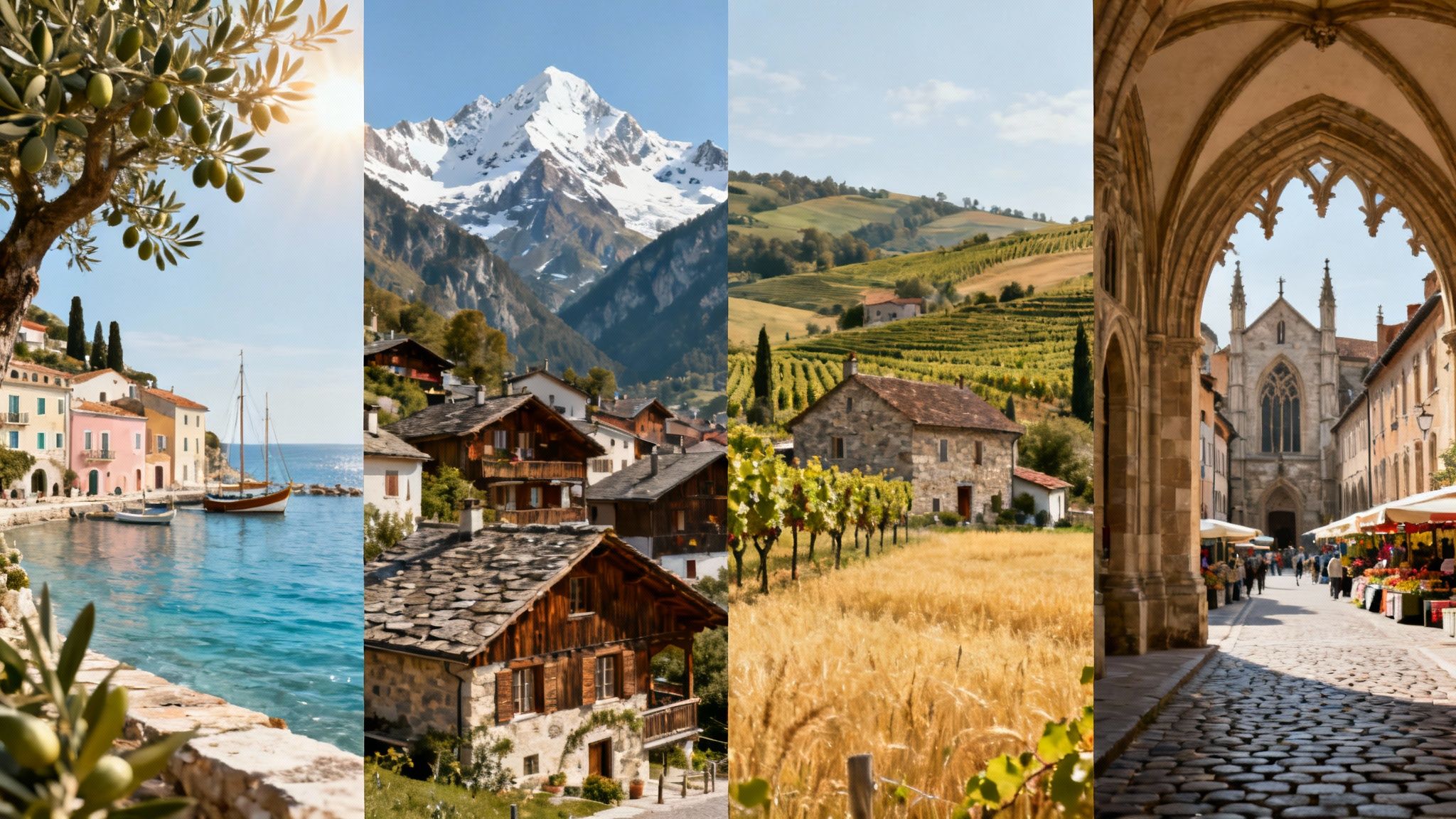
Dreaming of a retirement filled with cobblestone streets, vibrant local markets, and a pace of life that savors every moment? Many retirees are looking beyond bustling capitals to discover the charm and affordability of smaller European towns. This guide moves past generic lists to offer a curated selection of retirement lifestyles, helping you pinpoint the perfect community that aligns with your passions, priorities, and vision for the future.
This comprehensive guide is designed for those seeking more than just a destination; it's for those seeking a lifestyle. We have organized our selections into ten distinct categories, allowing you to find a town that truly matches your ideal retirement. Whether you envision yourself by the sea, in the mountains, or amidst rolling vineyards, this framework provides the structure to turn your dreams into a tangible plan. Understanding the different types of communities available is a crucial first step. When considering a long-term move abroad, it can be helpful to explore how other groups approach international relocation, such as reviewing guides for the best countries for digital nomads to see what factors they prioritize.
For each category, we will analyze:
- The Unique Appeal: What makes this type of town special for retirees?
- Cost of Living & Property: What can you expect financially, with real-world examples?
- Healthcare & Amenities: How accessible are essential services?
Instead of just listing names, we provide actionable insights to help you identify the best small towns to retire based on what matters most to you. Let's explore the destinations that could turn your retirement dream into a reality.
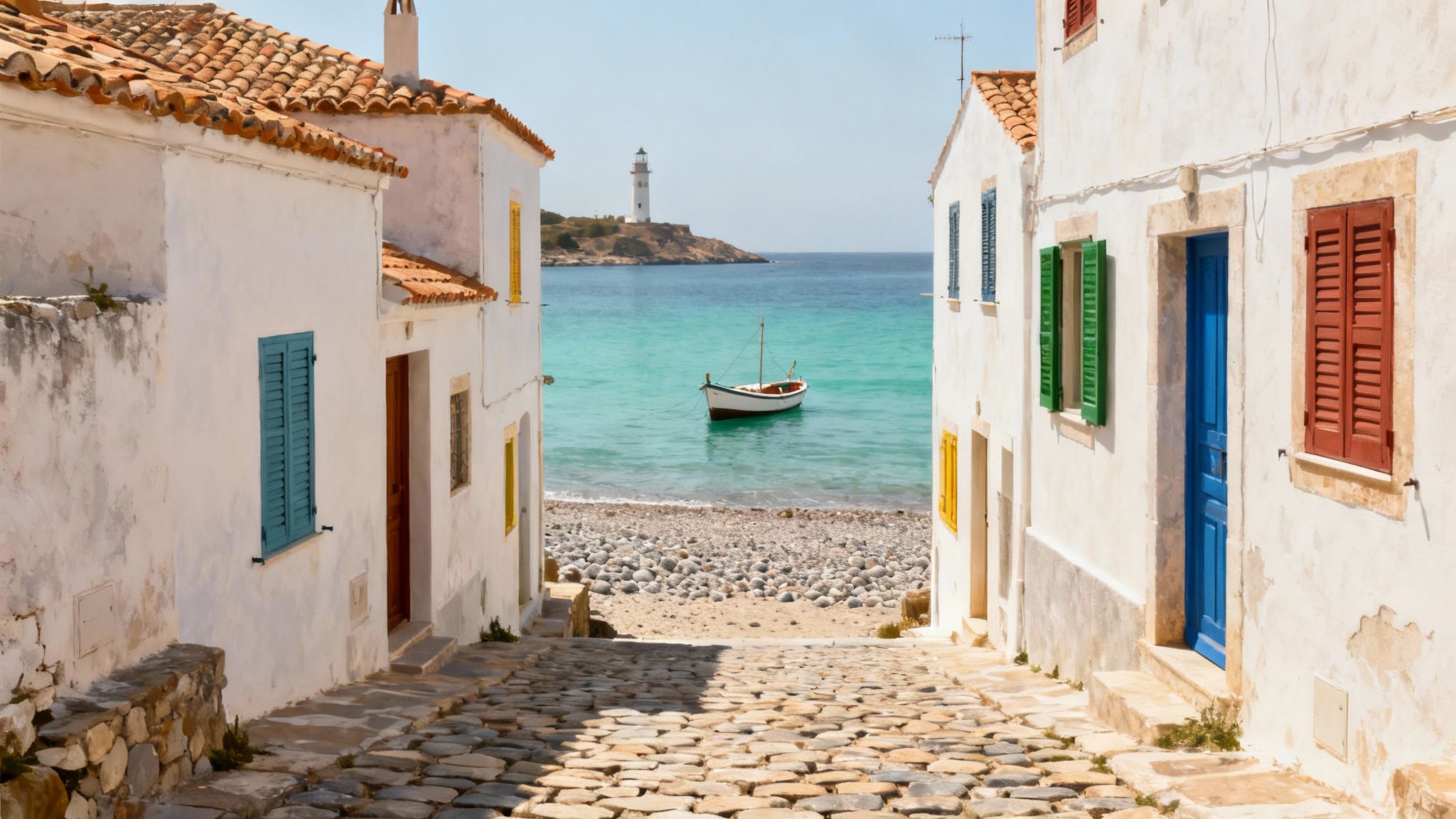
1. Coastal Charm Towns - Mediterranean Seaside Living
For many retirees, the dream of a life overseas involves sun-drenched days, fresh sea air, and a relaxed pace. The small coastal towns dotted along the Mediterranean coastlines of Southern Europe perfectly encapsulate this vision, making them some of the best small towns to retire. These destinations offer a compelling blend of temperate climates, vibrant local cultures, and surprisingly affordable living costs, far from the hustle of major metropolises.
Life in these towns revolves around walkable historic centers, bustling local markets filled with fresh seafood, and a strong sense of community. The proximity to beautiful beaches and coastal walking trails encourages an active and healthy lifestyle. Retirees can spend their days exploring hidden coves, enjoying alfresco dining, or simply soaking in the stunning seaside views from a local café.
Why Choose a Mediterranean Coastal Town?
The appeal lies in the unique combination of relaxation and engagement. You gain the tranquility of a small community without sacrificing access to modern amenities. The rich history, distinct local cuisines, and year-round calendar of festivals provide endless opportunities for cultural immersion.
- Cascais, Portugal: Just 30 kilometers from Lisbon, it offers pristine beaches, world-class golf courses, and a sophisticated yet relaxed atmosphere.
- Collioure, France: This Catalan fishing village on the French-Spanish border is famous for its artistic heritage and stunning Mediterranean charm.
- Rovinj, Croatia: An enchanting Istrian peninsula town with cobblestone streets and Venetian-era architecture, offering breathtaking Adriatic views.
- Nerja, Spain: A beloved Andalusian town known for its dramatic cliffs, stunning caves, and the famous Balcón de Europa viewpoint. For more inspiration on Mediterranean living, you can explore the best coastal towns in Italy for similar idyllic settings.
Actionable Tips for Relocating
To make a smooth transition, consider a few key factors. Visit during the off-season (April-May or September-October) to experience the town without the summer crowds and get a feel for authentic local life.
Before committing, research healthcare facilities and their proximity to larger hospitals for specialized care. Finally, evaluate airport access; being a reasonable drive from an international airport is crucial for visiting family and friends. Joining local clubs or language classes can also accelerate your integration into the community.
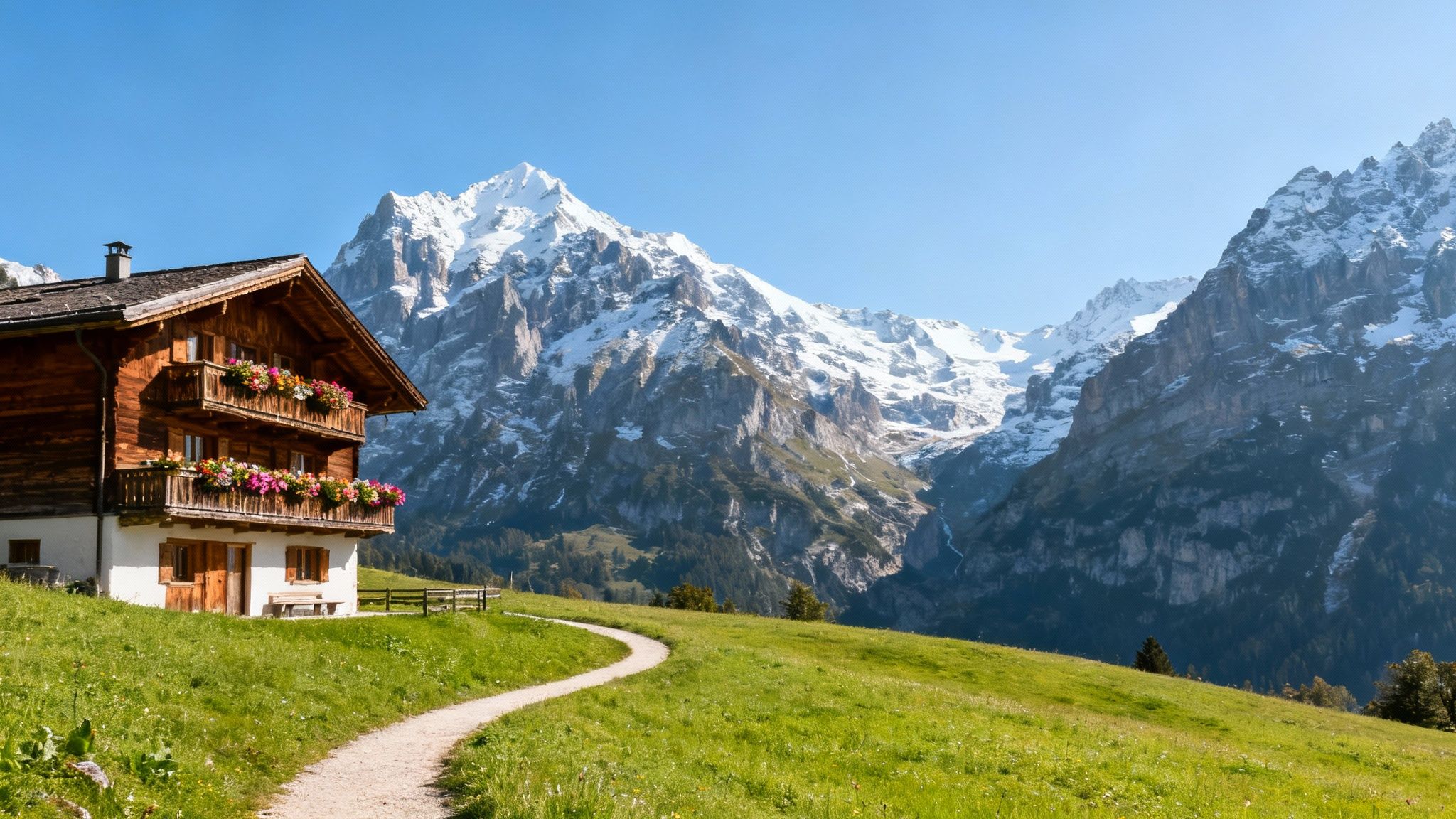
2. Alpine Valley Communities - Mountain Retreat Living
For retirees drawn to dramatic landscapes, crisp mountain air, and an active outdoor lifestyle, the small communities nestled in Alpine valleys offer an idyllic setting. These towns are among the best small towns to retire for those who prioritize health, tranquility, and breathtaking natural beauty. Life here is defined by the rhythm of the seasons, from vibrant summer wildflower hikes to serene, snow-covered winters.
These mountain retreats provide a peaceful escape from urban life, centered around charming village cores, strong community bonds, and unparalleled access to nature. The environment encourages a healthy, active lifestyle with year-round recreational opportunities. Retirees can enjoy world-class hiking, skiing, and wellness facilities, all while benefiting from clean air and stunning panoramic views right from their doorstep.
Why Choose an Alpine Valley Community?
The primary appeal is a life deeply connected to nature without forgoing comfort and excellent infrastructure. These towns often boast high standards of living, well-maintained public services, and a focus on wellness. The blend of serene solitude and vibrant, close-knit community life provides a perfect balance for a fulfilling retirement.
- Interlaken, Switzerland: Situated between two turquoise lakes, it's a gateway to Alpine adventures with superb healthcare and transport links.
- Mittenwald, Germany: A picturesque Bavarian village known for its violin-making history and beautifully preserved frescoed buildings.
- Merano, Italy: This South Tyrol town combines Italian flair with Alpine tradition, famous for its spa culture and mountain access.
- Grindelwald, Switzerland: A stunning car-restricted village at the foot of the Eiger, perfect for active retirees who love hiking and skiing.
Actionable Tips for Relocating
Adapting to mountain life requires some practical planning. Ensure you are comfortable with your mobility before choosing a remote or high-altitude location, as steep terrain can be challenging.
When purchasing property, invest in good heating and insulation to stay comfortable during cold winters. It is also wise to plan for winter accessibility, checking that essential services like grocery stores and medical clinics remain reachable during heavy snowfall. Finally, take full advantage of the local lifestyle by exploring the world-class hiking trails in summer and researching the numerous local spas and wellness facilities common in Alpine towns.
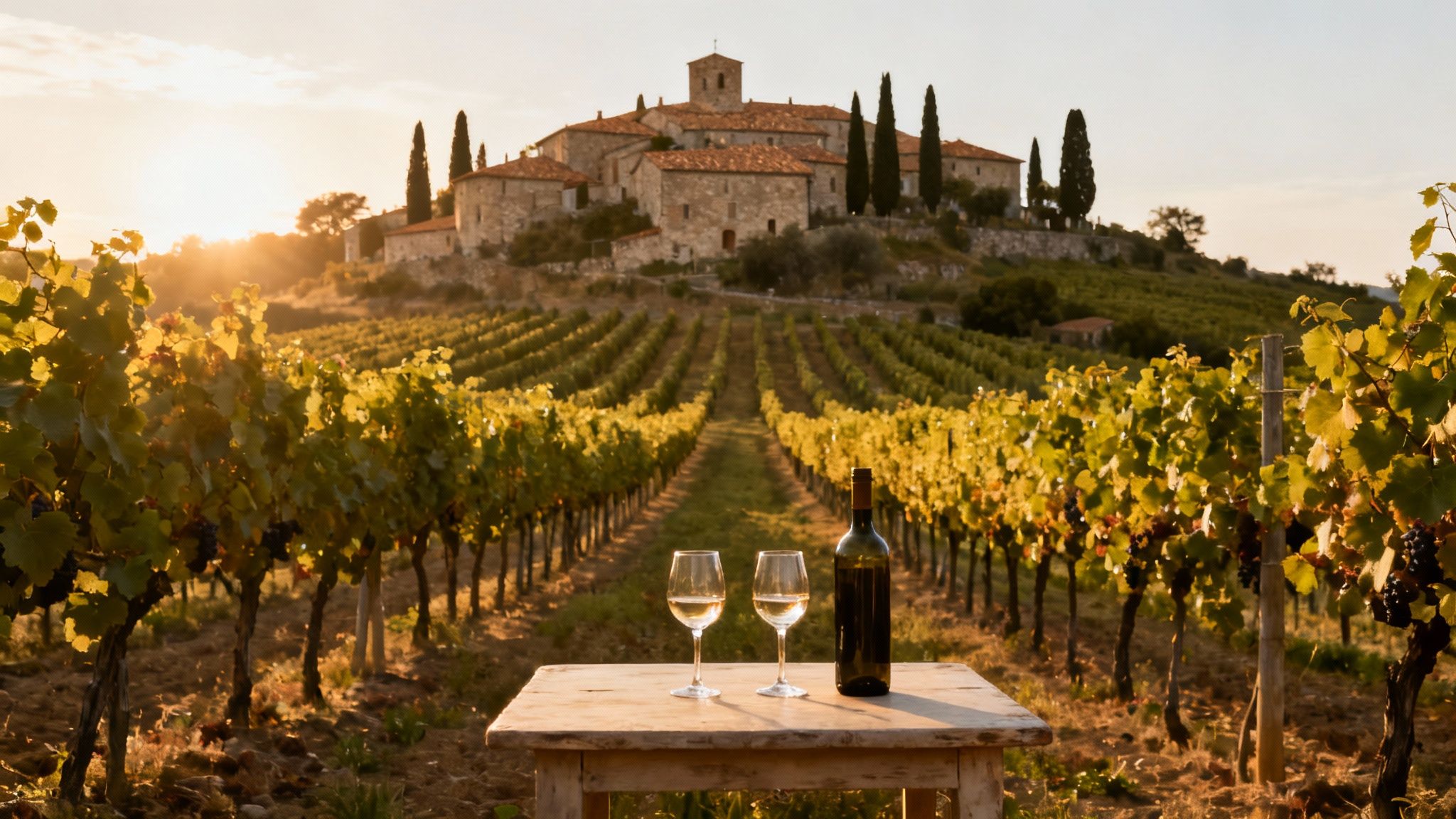
3. Wine Country Villages - Vineyard and Gastronomy Living
For retirees with a passion for fine wine, exquisite food, and breathtaking landscapes, settling in one of Europe’s wine country villages is an unparalleled choice. These small towns offer a sophisticated and intellectually stimulating environment, where life is dictated by the seasons of the vineyard. This lifestyle combines the tranquility of rural living with a rich cultural calendar centered on gastronomy, festivals, and deep-rooted traditions.
Life in these communities is a sensory delight, from the aroma of fermenting grapes during harvest to the vibrant colors of the local markets. The rolling hills of vineyards provide endless opportunities for scenic walks, cycling, and exploration. Retirees can immerse themselves in the local culture by engaging with winemakers, participating in tastings, and enjoying the exceptional farm-to-table culinary scene that defines these regions.
Why Choose a Wine Country Village?
The primary allure is an exceptionally high quality of life centered around community and shared passions. You gain a vibrant social life built into the fabric of the town, from harvest celebrations to wine festivals, without the anonymity of a large city. This makes it one of the best small towns to retire for those who appreciate culture, nature, and culinary excellence.
- Beaune, France: The heart of the Burgundy wine region, this town offers medieval charm and is the epicenter of some of the world's most revered wines.
- Montalcino, Italy: A classic Tuscan hilltop town, famous for its Brunello wine, offering stunning views and a deeply traditional way of life.
- Haro, Spain: As the capital of the La Rioja region, Haro is home to some of Spain's oldest and most prestigious wineries, blending tradition with modern amenities.
- Évora, Portugal: A UNESCO World Heritage site in the Alentejo wine region, it combines rich history with a burgeoning reputation for high-quality red wines.
Actionable Tips for Relocating
To fully integrate into vineyard life, embrace the local rhythm. Plan extended stays during different seasons, especially during the autumn harvest, to understand the community’s ebb and flow. This provides a genuine taste of what year-round life is like beyond the peak tourist season.
Take wine appreciation courses or join local cooperatives to build social connections and deepen your knowledge. Building relationships with local winemakers can provide authentic, behind-the-scenes experiences. Finally, ensure the village has practical amenities for daily life and is within a reasonable distance of larger towns for healthcare and transport links.
4. Historic Market Towns - Cultural and Civic Living
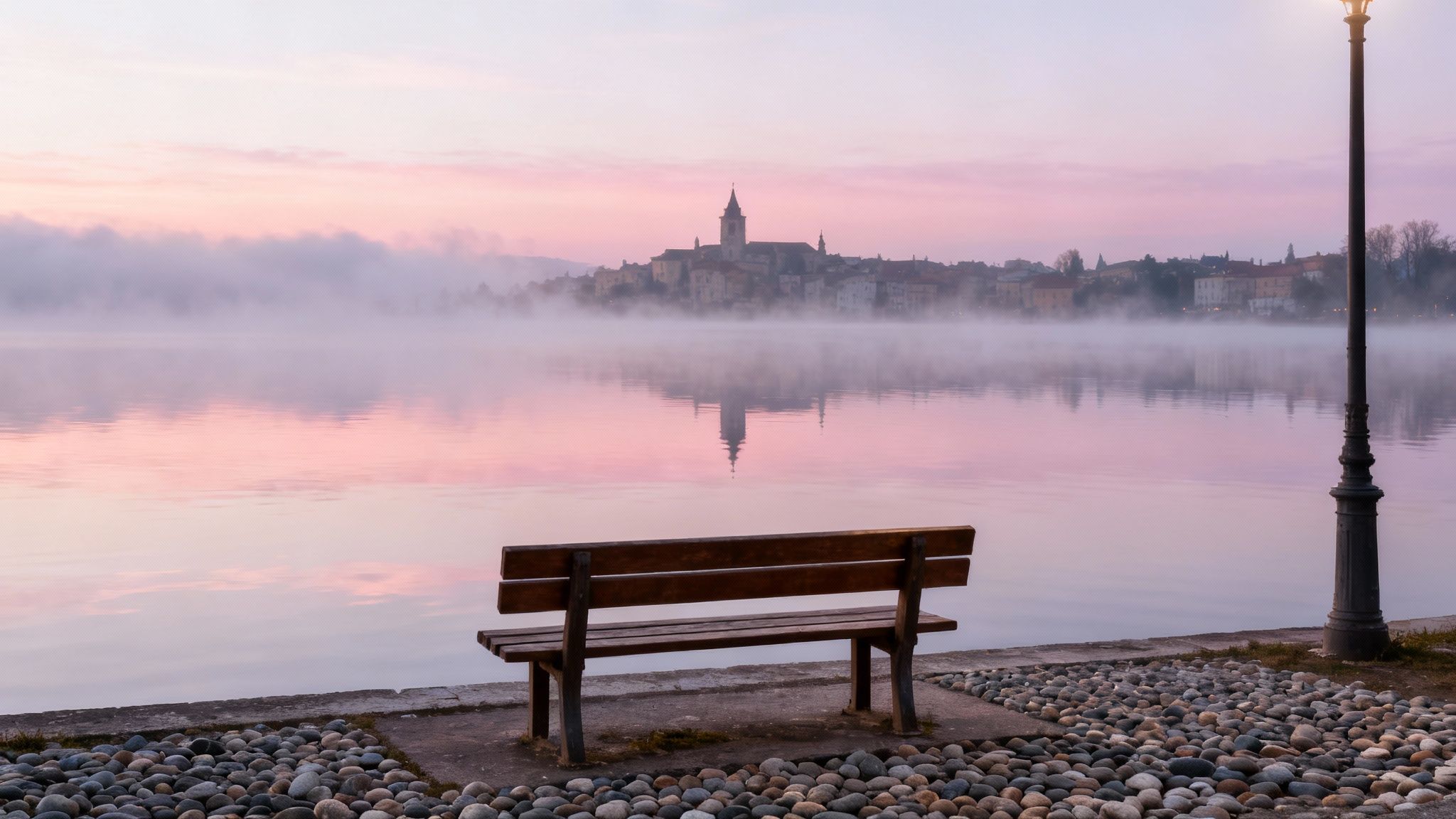
For retirees who value deep community roots and a vibrant cultural tapestry, Europe's historic market towns offer an enriching and engaging lifestyle. These towns, often centered around centuries-old squares, serve as vital hubs of civic life and commerce. They provide a unique retirement experience grounded in tradition, connection, and a tangible sense of history, making them some of the best small towns to retire.
Life here is woven into the fabric of established traditions, from bustling weekly markets to long-standing cultural festivals. This environment fosters strong community bonds and provides meaningful ways for retirees to participate in local governance and heritage preservation. Walkable town centers, rich architecture, and accessible local amenities create a convenient and stimulating setting for daily life.
Why Choose a Historic Market Town?
The primary appeal is the opportunity for authentic cultural immersion and active civic engagement. You are not just a resident; you become a steward of a living heritage. These towns offer a structured yet relaxed pace of life, where retirees can enjoy modern comforts while being surrounded by history, art, and a strong, supportive community.
- Bruges, Belgium: A UNESCO World Heritage site known for its medieval architecture and picturesque canals, offering a rich calendar of cultural events.
- Dinan, France: This stunning walled town in Brittany boasts a vibrant market tradition and a beautifully preserved historic center.
- Siena, Italy: A classic Tuscan hilltop town famous for its unique central piazza and the historic Palio horse race, embodying civic pride.
- Lucerne, Switzerland: Set against a dramatic Alpine lake backdrop, this town combines historic charm with exceptional Swiss efficiency and quality of life.
Actionable Tips for Relocating
To truly integrate into the civic and cultural life of a market town, immerse yourself in its unique rhythms. Attend town council meetings to understand local governance and community priorities. This is a fantastic way to meet locals and learn about the issues that matter.
Joining volunteer organizations focused on cultural preservation or local museums can provide a deep sense of purpose. Make a habit of shopping at the weekly market; it's the social heart of the town. Finally, learning the local history will not only enrich your experience but also show your new neighbors a genuine respect for their heritage.
5. Spa and Wellness Towns - Health-Focused Retirement Living
For retirees prioritizing well-being, the concept of living in a town built around health and wellness traditions offers a unique and proactive approach to aging. The best small towns to retire often include historic European spa destinations, where life is centered on natural thermal springs, sophisticated wellness infrastructure, and a culture of preventative care. These locales provide a serene environment combined with integrated health services.
Life in these towns is defined by a slower, more deliberate pace focused on holistic health. Residents have easy access to thermal baths, medical wellness centers, and a community of like-minded individuals who value an active and balanced lifestyle. The culture encourages healthy aging through regular treatments, outdoor activities in pristine natural settings, and a focus on physical and mental well-being, creating a supportive and rejuvenating environment.
Why Choose a Spa and Wellness Town?
The primary appeal is the seamless integration of lifestyle and healthcare. You gain access to world-class preventative health facilities and therapeutic traditions as part of your daily routine. This environment is ideal for managing chronic conditions, staying active, and embracing a holistic approach to health that goes beyond traditional medical care, all within a beautiful and culturally rich setting.
- Baden-Baden, Germany: Nestled in the Black Forest, this elegant spa city has a 2,000-year history, famous for its luxurious thermal baths and high-end cultural offerings.
- Vichy, France: Known as the "Queen of Spa Towns," Vichy is a center for medical thermalism with expertise in metabolic and rheumatological conditions.
- Karlovy Vary, Czech Republic: This Bohemian resort town is famed for its mineral-rich hot springs and distinctive Neoclassical and Art Nouveau architecture.
- Montecatini Terme, Italy: A classic Tuscan spa destination renowned for its Belle Époque charm and therapeutic waters, set amidst rolling green hills.
Actionable Tips for Relocating
To ensure a successful move, focus on the specific health benefits. Research the medical specializations and therapeutic properties of the local thermal springs to find a town that aligns with your personal health needs.
Budget for regular wellness programs and treatments, as these are a core part of the lifestyle. Before committing, consult with local medical professionals to discuss your health history and create a wellness plan. Finally, joining local health clubs or wellness-focused community groups is an excellent way to integrate and build a supportive social network.
6. Lakeside Communities - Water-Centered Lifestyle Living
For retirees drawn to tranquility and natural beauty, the prospect of a life by the water is deeply appealing. Europe's charming lakeside towns offer a serene alternative to the sea, providing a water-centered lifestyle combined with breathtaking scenery and four-season outdoor recreation. These destinations are among the best small towns to retire for those who value peace, health, and a strong connection to nature.
Life in these communities is defined by the rhythm of the lake. Days can be spent sailing, kayaking, fishing, or simply walking along pristine shorelines. The large bodies of water often create moderate microclimates, and the blend of accessible nature with well-appointed town centers provides a perfectly balanced retirement. The ever-present water views and clean air contribute significantly to overall well-being.
Why Choose a Lakeside Community?
The primary draw is a lifestyle that promotes both relaxation and activity. You gain the quietude of a natural sanctuary without forgoing the conveniences of a modern town. The distinct seasonal changes offer varied activities year-round, from summer water sports to cozy winter afternoons overlooking a frozen landscape, ensuring a dynamic and engaging environment.
- Annecy, France: Known as the "Venice of the Alps," it boasts a crystal-clear lake, a medieval Old Town, and endless opportunities for hiking and cycling.
- Como, Italy: A classic choice on the stunning Italian lakes, offering Mediterranean flair, elegant villas, and easy access to Milan. For similar options, you can explore beautiful homes for sale in Lake Garda, Italy.
- Konstanz, Germany: Situated on Lake Constance, this vibrant university town borders Switzerland and Austria, offering a unique three-country living experience.
- Iseltwald, Switzerland: A picturesque and peaceful village on the turquoise waters of Lake Brienz, offering an authentic Swiss Alpine lifestyle.
Actionable Tips for Relocating
To ensure a seamless move, a few practical steps are key. Visit in different seasons to understand the year-round climate and how community life changes, from the bustling summer tourist season to the quiet winter months.
Investigate local water quality reports and the specific recreational activities permitted on the lake, as regulations can vary. When house-hunting, prioritize properties with water views or easy access, as these significantly enhance daily well-being. Joining a local sailing, rowing, or fishing club is an excellent way to meet like-minded people and integrate quickly into the community fabric.
7. Agricultural Heritage Towns - Rural Community Living
For retirees yearning for a genuine connection to the land and a deeply rooted community, the agricultural heritage towns of Europe offer a fulfilling alternative. These destinations are built around time-honored farming traditions, where life is dictated by the seasons. They provide an idyllic setting for those who appreciate sustainable living, fresh local produce, and the strong, supportive bonds of a tight-knit rural community.
Life in these towns is centered on authenticity. You'll find bustling weekly farmers' markets, seasonal harvest festivals, and a culture where neighbors know each other by name. This lifestyle encourages active participation, whether it's tending a small garden, learning about local viticulture, or simply enjoying the pastoral landscapes. It's a peaceful, grounded way of life that makes these some of the best small towns to retire.
Why Choose an Agricultural Heritage Town?
The primary draw is the opportunity for a meaningful and engaged retirement. You can connect with food production, embrace a more sustainable lifestyle, and become part of a community that values tradition and mutual support. It’s a return to a simpler, more connected way of living without sacrificing essential modern conveniences.
- Alentejo Region, Portugal: Known as Portugal's breadbasket, this region offers vast cork and wine country with charming villages and very affordable properties.
- Provence Villages, France: Iconic for its lavender fields and robust agricultural heritage, offering a picturesque and culturally rich retirement.
- Umbrian Villages, Italy: The "green heart of Italy," this region is famous for its truffles, wine, and rustic rural charm. For those dreaming of a rural Italian retreat, you can find inspiration by exploring the diverse country houses in Italy available.
- Basque Agricultural Towns, Spain: These communities maintain strong, unique farming traditions and a distinct local culture set against stunning green landscapes.
Actionable Tips for Relocating
Making a successful move to a rural area requires careful planning. Start with extended visits during different seasons to truly understand the rhythm of rural life and assess if the lifestyle is a good fit for you. This will help you experience both the vibrant harvest season and the quieter winter months.
Engage with the community early by participating in seasonal festivals or volunteering with local farms. When considering a property, budget for potential infrastructure improvements, as older rural homes may need updates. Building relationships with local farmers and food producers is a fantastic way to integrate and feel at home quickly.
8. University Towns - Intellectual and Cultural Community Living
For retirees who crave intellectual stimulation and a vibrant cultural scene, settling in a historic university town is an unparalleled choice. These locations offer a unique, multi-generational environment where academic tradition meets youthful energy, making them some of the best small towns to retire. Far more than just student hubs, these towns are centers of learning, art, and discourse, providing a dynamic backdrop for an engaging retirement.
Life in a university town is defined by a rich tapestry of cultural opportunities. Retirees can attend public lectures, audit courses, explore world-class museums, and enjoy concerts and theater performances, often at little to no cost. The constant influx of students and academics from around the globe keeps the community dynamic and forward-thinking, while the historic architecture and established local traditions provide a deep sense of place and history.
Why Choose a University Town?
The primary draw is the opportunity for lifelong learning and continuous mental engagement. You gain access to incredible resources like extensive libraries and lecture series, all within a walkable, energetic community. This environment fosters a sense of purpose and connection, keeping you intellectually sharp and socially active.
- Oxford, England: A city steeped in academic prestige, offering stunning architecture, riverside walks, and a calendar packed with cultural events.
- Salamanca, Spain: Home to one of Europe’s oldest universities, its golden sandstone buildings create a magical atmosphere in a lively, affordable city.
- Bologna, Italy: Renowned for its ancient university, culinary excellence, and vibrant porticoed streets that create a bustling yet elegant social scene.
- Heidelberg, Germany: A romantic town on the Neckar River with a famous castle and a historic university, blending natural beauty with intellectual vigor.
Actionable Tips for Relocating
To fully integrate into the academic community, be proactive. Check the university's public events calendar as soon as you arrive; many lectures, art exhibits, and musical performances are open to everyone.
Look into lifelong learning or adult education programs, which often offer discounted rates for local seniors. Before choosing a home, consider its proximity to campus to ensure walkable access to libraries, theaters, and lecture halls. Visiting during the academic year, rather than the summer break, will give you a true sense of the town's unique rhythm and energy.
9. Artisan and Craft Towns - Creative Community Living
For retirees with a passion for creativity and hands-on pursuits, settling in a town renowned for its artisanal heritage offers a uniquely fulfilling lifestyle. These small towns are cultural hubs where centuries-old craft traditions are not just preserved but actively practiced, creating a vibrant community of makers, artists, and designers. They provide an environment rich with inspiration, collaboration, and continuous learning.
Life in these creative enclaves is centered around studios, workshops, galleries, and bustling craft markets. This atmosphere fosters a strong sense of community and intellectual stimulation, allowing retirees to connect with like-minded individuals and immerse themselves in a shared passion. The towns themselves are often living museums, with their architecture and daily life reflecting their artistic legacy, making them some of the best small towns to retire for the creatively inclined.
Why Choose an Artisan and Craft Town?
The appeal is the opportunity to live within a dynamic creative ecosystem. You can actively participate by learning a new skill, volunteering at a local guild, or simply enjoying the beauty created by local craftspeople. These towns offer a rich social fabric built on shared interests, ensuring a retirement that is both engaging and intellectually stimulating.
- Delft, Netherlands: World-famous for its blue-and-white pottery, Delft offers a picturesque setting with canal-lined streets and a deep-rooted ceramics heritage.
- Murano, Italy: An island in the Venetian Lagoon, this town is synonymous with exquisite glass-working, with traditions passed down through generations.
- Limoges, France: As the historic capital of European porcelain, Limoges is a center for fine art and ceramic craftsmanship with numerous workshops and museums.
- Deruta, Italy: Nestled in Umbria, this town is celebrated for its vibrant majolica ceramics, a craft that has defined its identity for over 500 years.
Actionable Tips for Relocating
To integrate into these specialized communities, enroll in a workshop or class in the town's signature craft. This is the fastest way to meet local artisans and learn about the culture from the inside. Many towns have guilds or associations that welcome volunteers.
Attend local art markets and craft fairs regularly to build relationships with working artists and support their craft. Before moving, research the availability of studio spaces or community workshops if you plan to practice a craft yourself. This active engagement will help you quickly become a valued part of your new creative home.
10. Gateway Towns - Balance of Nature and Urban Access
For retirees who want the best of both worlds, the ideal small town isn't completely remote. Instead, it's a "gateway town" strategically located within easy reach of a major city. These destinations offer the peaceful, community-focused lifestyle of a small town while providing convenient access to world-class cultural attractions, specialized healthcare, and major transport hubs. It's the perfect compromise for those who want to escape urban intensity without sacrificing its conveniences.
Life in a gateway town means you can enjoy a quiet morning walk in a local park and, just a short train ride later, attend a matinee opera or a specialist medical appointment in a bustling metropolis. This unique blend makes them some of the best small towns to retire, offering tranquility and connection in equal measure. These towns often have better infrastructure than truly rural areas while retaining their authentic character.
Why Choose a Gateway Town?
The primary appeal is balance. You get a lower cost of living and a stronger sense of community than in a big city, but you don't have to give up the amenities you value. This setup provides peace of mind, knowing that premier hospitals, international airports, and a wide array of entertainment options are always accessible.
- Sintra, Portugal: A fairytale town with historic palaces, lush forests, and reliable rail access to Lisbon in about 40 minutes.
- Sitges, Spain: This vibrant coastal town south of Barcelona offers beautiful beaches and a lively arts scene, with frequent train connections to the city center.
- Treviso, Italy: Known as "Little Venice," this charming walled city in the Veneto region provides a peaceful, authentic base with easy access to Venice.
- Garmisch-Partenkirchen, Germany: An idyllic Bavarian town at the foot of the Alps, offering stunning nature and efficient commuter rail service to Munich.
Actionable Tips for Relocating
To ensure you find the right balance, practical planning is key. Thoroughly research public transportation schedules and their reliability, as this will be your lifeline to the city. Visiting during different times of the day can give you a realistic sense of commute times and train crowding.
Before buying, consider properties near transport hubs like train stations for maximum convenience. It's also wise to plan a weekly or monthly schedule that balances local activities with regular city visits for cultural events or appointments. Finally, investigate local development plans to ensure the town's charming character is set to be preserved for years to come.
Top 10 Small-Town Retirement Comparison
| Type | Relocation complexity | Cost & resources | Expected lifestyle outcomes | Ideal for | Key advantages |
|---|---|---|---|---|---|
| Coastal Charm Towns - Mediterranean Seaside Living | Low–Medium — straightforward settling but seasonal variability and some language barriers | Moderate — generally affordable outside hotspots; factor travel access and peak-season costs | Relaxed, active coastal life with strong expat/social networks and beach activities | Retirees seeking mild climate, beach access, and social life | Beach access, seafood/culture, walkable towns, good travel links |
| Alpine Valley Communities - Mountain Retreat Living | Medium — winter readiness and mobility considerations required | High — higher property and living costs; investment in heating/insulation | Active mountain lifestyle, tranquil nature exposure, strong wellness and safety | Active, outdoors-oriented retirees who enjoy hiking and winter sports | Stunning scenery, excellent healthcare, low crime, strong resale value |
| Wine Country Villages - Vineyard and Gastronomy Living | Medium — cultural integration and seasonal tourism during harvest | High — premium real estate in renowned regions; event participation costs | Gastronomic, culturally rich lifestyle with frequent festivals and tastings | Wine and food enthusiasts seeking cultural engagement | World-class cuisine, wine culture, festivals, investment potential |
| Historic Market Towns - Cultural and Civic Living | Low–Medium — accessible services but older infrastructure in places | Moderate — typically more affordable than large cultural centers | Deep cultural immersion, civic engagement, regular market traditions | Culturally-minded retirees who value heritage and volunteering | Authentic historic character, markets, strong community ties |
| Spa and Wellness Towns - Health-Focused Retirement Living | Medium — access to specialized care but tourist seasons and service costs | High — premium for wellness services and often higher property prices | Health-centered daily routine with preventative care and regular therapies | Health-conscious retirees prioritizing medical and wellness access | Thermal springs, specialized medical expertise, established wellness programs |
| Lakeside Communities - Water-Centered Lifestyle Living | Low–Medium — easy access but seasonal crowds and some flooding risk | High — waterfront premiums and limited availability | Peaceful, water-based recreation and mild microclimate supporting wellbeing | Retirees seeking scenic waterfront living and gentle recreation | Scenic views, water sports, mild climate, strong property appreciation |
| Agricultural Heritage Towns - Rural Community Living | Medium — rural logistics, possible infrastructure upgrades and isolation | Low — generally affordable property and living costs; potential renovation expenses | Hands-on rural life, strong community ties, farm-to-table access | Retirees desiring sustainable living, farming activities, or quiet rural life | Low cost, authentic traditions, direct food access, engagement with agriculture |
| University Towns - Intellectual and Cultural Community Living | Low–Medium — easy access to services but academic calendar creates busy periods | High — property near campuses can be costly | Continuous intellectual stimulation, cultural programming, intergenerational interaction | Lifelong learners and culturally engaged retirees | Lectures, museums, libraries, diverse cultural events and learning opportunities |
| Artisan and Craft Towns - Creative Community Living | Low–Medium — accessible creative networks but risk of touristification | Moderate — variable prices; unique, characterful properties | Creative, hands-on lifestyle with workshops, markets, and maker collaborations | Artists, makers, and retirees seeking creative community and mentorship | Active artisan networks, workshops, craft markets, strong cultural identity |
| Gateway Towns - Balance of Nature and Urban Access | Low — convenient commuting and reliable access to urban services | Moderate — more affordable than cities but prices rising with demand | Balanced small-town calm with ready access to city healthcare and culture | Retirees wanting proximity to urban amenities without city living | Best-of-both access: transport links, specialized healthcare, cultural convenience |
Your Next Chapter Awaits: Taking the First Step
Choosing where to spend your retirement is far more than a logistical decision; it's the beginning of a new, intentional chapter in your life. Throughout this guide, we've journeyed across Europe, exploring a diverse tapestry of communities that redefine what retirement can be. From the sun-drenched shores of Mediterranean Coastal Charm Towns to the crisp, clean air of Alpine Valley Communities, the options are as varied as your aspirations.
The journey to finding the perfect home base is deeply personal. It's about aligning your core desires with a tangible place on the map. The search for the best small towns to retire isn't about finding a single, universally acclaimed destination. Instead, it's about discovering the town that resonates with your vision of a fulfilling life. Perhaps it's the gastronomic delights of a Wine Country Village, the intellectual stimulation of a University Town, or the tranquil pace of an Agricultural Heritage Town.
Distilling Your Vision into a Plan
The key takeaway is this: your ideal retirement location exists at the intersection of lifestyle preferences and practical necessities. To move from dreaming to doing, you must create a clear, actionable framework.
1. Create Your Personal Scorecard: Revisit the ten town archetypes we've explored and rank them based on your personal priorities. Assign a score from 1 to 10 for each category based on its importance to you:
- Lifestyle: (e.g., Active/Outdoors, Cultural/Arts, Social/Community, Relaxed/Quiet)
- Climate: (e.g., Year-round sun, Four distinct seasons, Mild winters)
- Healthcare: (e.g., Proximity to a major hospital, Access to specialist care, Wellness facilities)
- Budget: (e.g., Low cost of living, Favorable property taxes, Affordable daily expenses)
- Connectivity: (e.g., Near an international airport, Efficient public transport, High-speed internet)
This exercise will quickly narrow down your focus, moving you from a vague idea of "a nice town in Italy" to a more specific target like "a coastal town in Puglia with good healthcare access and a strong community feel."
2. Conduct Virtual and Physical Reconnaissance: Once you have a shortlist of 2-3 towns, your research deepens. This is the time to immerse yourself in the day-to-day realities of these locations.
- Go Beyond the Tourist Trail: Plan an "audition" visit of at least two weeks, ideally during the off-season. This allows you to experience the town's true rhythm without the filter of peak tourism. Shop at local markets, visit the pharmacy, use public transport, and strike up conversations with residents to get an unfiltered perspective.
- Leverage Digital Resources: Before you even book a flight, dive into online communities and expat forums for your target locations. As you begin envisioning your next chapter, drawing inspiration and practical tips from others' experiences can be incredibly helpful. Delve into the best travel blogs to explore diverse destinations and lifestyles. These firsthand accounts often contain invaluable, on-the-ground insights you won't find in official guides.
The Final Step: From Explorer to Resident
The process of finding your ideal retirement haven is a journey of self-discovery. It challenges you to define what truly matters, whether that's the creative energy of an Artisan and Craft Town or the convenient balance offered by a Gateway Town. Each location profiled in this article represents a distinct lifestyle, a unique community, and a potential home.
The perfect small town isn't just a place to live; it's a place to thrive. It’s where your daily routines are filled with activities you love, surrounded by a community that energizes you. The adventure of finding that place is one of the most rewarding you'll ever undertake. Your next chapter is not just a destination but a deliberate, beautifully crafted life waiting to be lived.
Ready to turn your research into reality? Explore curated property listings in Europe’s most desirable small towns with Residaro. Our platform is designed to help you find a home that matches your unique retirement vision, making the transition to your new life seamless and exciting. Find your perfect chapter at Residaro.